

.
When an Austin-area air conditioner turns into a block of ice, the problem is usually more than unusually hard work in the Texas heat. Ice on the indoor evaporator coil restricts airflow and reduces cooling. The original cause may be as simple as a dirty filter or as technical as low refrigerant, a blower problem, or a dirty coil.
If you are wondering why does my AC keep freezing up, turn off cooling and let the ice melt before running the system again. Check the filter and make sure supply and return vents are open. If freezing returns, cooling remains weak, or you see water near the equipment, stop using the system and schedule a professional inspection. Refrigerant testing and mechanical diagnosis belong with a qualified HVAC technician.
Thawing can restore airflow temporarily, but it does not correct the reason ice formed. The short answer starts with understanding what happens at the evaporator coil and how airflow and refrigerant work together.
See appointment options for AC help with Mend Services
Why Does My AC Keep Freezing Up? The Short Answer
Your AC usually freezes when the indoor evaporator coil gets too cold and ice begins forming on its surface. That coil is the part of the system that absorbs heat from indoor air. When it is covered in frost or ice, air cannot move across it as designed, cooling capacity drops, and the system may blow weak or barely cool air.
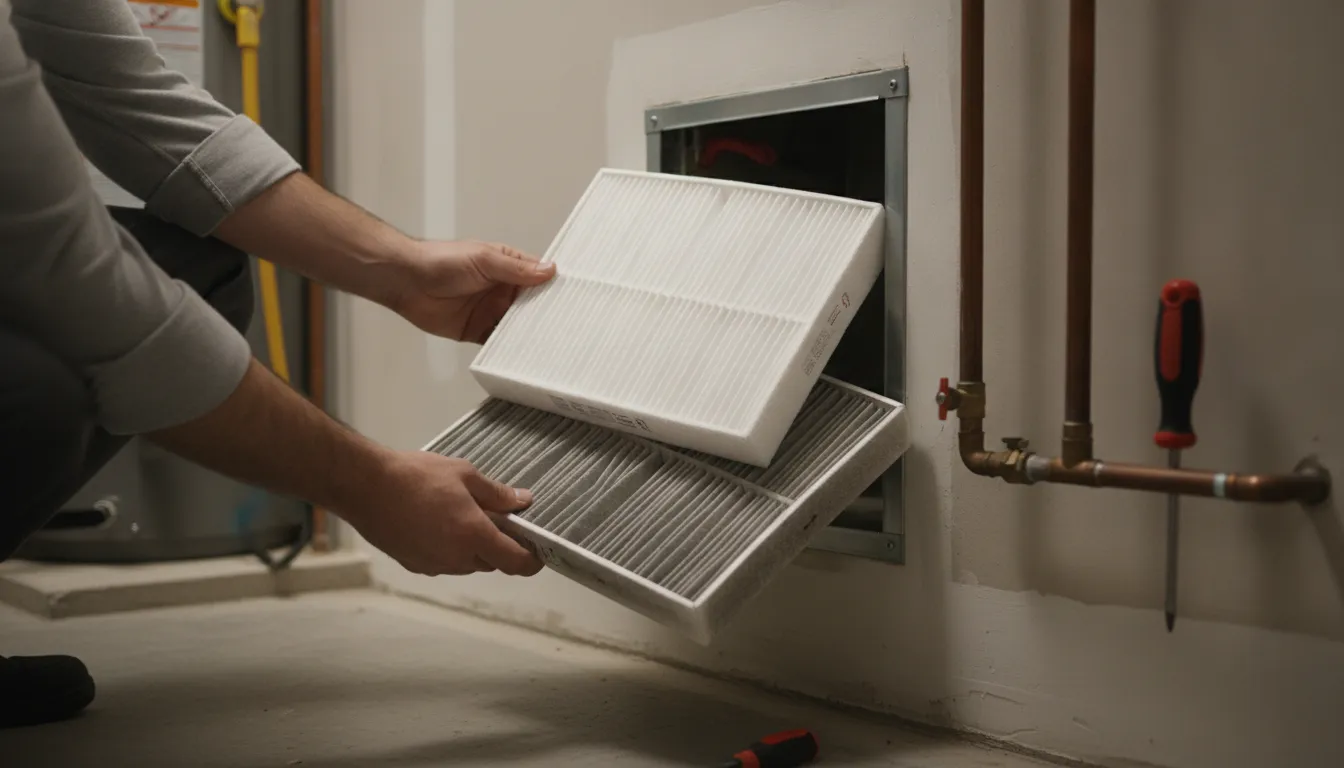
In plain language, a frozen coil usually points to one of two broad problems: not enough air is moving across the coil. Or the refrigerant balance is not right. A clogged filter, blocked return vent, closed supply register, dirty coil, or failing blower motor can restrict airflow. Low refrigerant, often associated with a leak, can also reduce the coil’s temperature and allow ice to build. A thermostat problem may keep the system running longer than it should.
What you may notice
- Ice or frost on the indoor refrigerant lines, the outdoor unit, or around the indoor coil cabinet.
- Airflow that feels weaker than normal at the registers.
- Air that is cool but not cold, or a home that takes much longer to reach the thermostat setting.
- Water around the indoor unit after the ice begins to melt.
- A system that works briefly, then freezes again after it is restarted.
These symptoms can identify a frozen-coil pattern, but they do not identify the cause by themselves. For example, replacing a dirty filter may restore airflow if the filter was the problem. It will not correct a refrigerant leak, a blower motor failure, or a control issue. Likewise, seeing ice does not mean the outdoor condenser is the source of the problem. The evaporator is the indoor coil that cools the air, while the condenser releases heat outdoors.
Turn cooling off and allow the ice to thaw rather than continuing to run a coil that is encased in ice. Check that return vents and supply registers are open, and replace a visibly dirty filter if you can do so safely. If the AC freezes again, has very weak airflow, stops cooling, or leaves significant water near the indoor equipment, the root cause needs professional diagnosis. A technician can measure airflow, test refrigerant, and evaluate overall system performance. For recurring problems, see our guide to HVAC repair in Austin rather than treating the ice as the diagnosis.
What Are the Most Common Causes of a Frozen AC?
Several problems can make an air conditioner’s indoor evaporator coil freeze. Some are easy to spot, while others require measurements and testing. Start with the homeowner checks below, but do not assume that thawing the ice has fixed the cause. A recurring freeze-up needs a proper diagnosis.
Airflow problems you can often spot
A dirty air filter restricts the air moving across the evaporator coil. With less warm indoor air passing over the coil, the coil can become cold enough to collect ice. A filter that looks gray, visibly clogged, or overdue for replacement is a reasonable first thing to check. Dirty evaporator coils can create a similar restriction, although the coil itself is usually not accessible for safe, thorough cleaning without service.
Check every supply register and return vent in the affected area. Closed supply registers, furniture over vents, blocked grilles, or heavy dust can reduce circulation through the system. A blocked return is especially important because the system cannot draw enough indoor air back through the filter and coil. Bryant and Trane both identify restricted airflow, including dirty filters, blocked vents, and dirty coils, as common contributors to frozen coils (Bryant’s frozen AC guidance; Trane’s coil-freezing overview).
Equipment faults that need diagnosis
A failed or weak blower motor can prevent enough air from reaching the coil even when the filter and vents look clear. You may notice weak airflow at several registers, unusual motor sounds, or an AC that runs without cooling the home effectively. A thermostat fault can also cause abnormal cycling or continuous cooling. Because thermostat wiring, controls, and blower operation involve electrical and mechanical testing, these are not good do-it-yourself repair targets.
Low refrigerant or a refrigerant leak is another possible cause. Homeowners may notice ice on the refrigerant line, reduced cooling, or a system that runs for long periods. But those signs do not identify the leak location or confirm the refrigerant charge. Refrigerant work requires trained equipment and diagnosis. Adding refrigerant without finding the underlying leak is not a complete repair.
What to do next
You can replace a dirty filter, open blocked registers, and clear objects away from return vents. Do not scrape ice from the coil, probe the equipment, or attempt refrigerant work. If the freeze returns after the system thaws, airflow seems weak, water is collecting around the indoor unit, or cooling remains poor, arrange HVAC repair in Austin. Mend’s diagnostic process includes refrigerant testing, airflow measurement, and system performance diagnostics, which helps separate a simple airflow restriction from a coil, blower, thermostat, or refrigerant problem.
| What you notice. | What it may suggest. | Best next step. |
|---|---|---|
| Dirty filter or blocked vent. | Restricted airflow. | Replace the filter or clear the obstruction safely. |
| Ice returns after thawing. | Underlying airflow, refrigerant, or equipment issue. | Arrange professional diagnosis. |
| Water near electrical parts or ongoing weak cooling. | Potential equipment or drainage risk. | Turn off cooling and request service. |
How Do You Safely Thaw a Frozen Air Conditioner?
Thawing a frozen air conditioner is a safe homeowner task when you focus on shutting down cooling and restoring airflow. It is not a complete repair. Ice can melt while the system is off, but it may return if the underlying problem, such as restricted airflow or low refrigerant, is still present. Follow these steps:
- Turn cooling off. Set the thermostat to “off” so the compressor and cooling cycle stop. Continuing to run an AC while its coil is encased in ice can place extreme strain on the compressor and may lead to system failure. If your thermostat has a separate fan setting, leave the cooling mode off.
- Use the fan only if appropriate. You can set the thermostat fan to “on” to move room-temperature air across the indoor coil and help it thaw. Do not use this as a reason to keep cooling active. If the fan produces unusual sounds, does not run, or causes water to spread, turn it off.
- Check and replace the air filter. A dirty filter can restrict airflow and contribute to a frozen coil. Replace it with the correct size if it is visibly loaded with dust. Do not remove the filter and leave the system operating without one.
- Open supply vents and clear return airflow. Make sure supply registers are open and not covered by furniture, rugs, or other objects. Keep return vents unobstructed as well. Restricted airflow can prevent the system from operating normally and may contribute to repeat freezing.
- Let all ice melt completely. Do not restart cooling when only part of the ice has disappeared. A frozen evaporator coil reduces airflow and cooling performance, so give the unit time to thaw fully. The amount of time varies with the amount of ice and the surrounding conditions.
- Protect the area from meltwater. Place towels or a shallow container near accessible water, but do not wedge anything into the equipment or remove panels that require tools. Watch for water near electrical components, ceilings, walls, or flooring. If water is spreading or causing damage, shut down the system and arrange service.
- Do not scrape the ice. Knives, screwdrivers, and other tools can damage the coil or tubing. Avoid using a heat gun, open flame, or other aggressive method to speed thawing. Also do not add, release, or handle refrigerant. Refrigerant testing and charging require professional equipment and training.
- Do not keep restarting a recurring problem. After the coil is fully thawed. Cooling should only be tested if the filter and airflow issues have been addressed and there are no signs of water or equipment trouble. If the AC freezes again, stops cooling, or has weak airflow, schedule HVAC maintenance in Austin or repair. A recurring freeze needs a professional inspection to identify the cause rather than repeated thawing.
If you still are not sure why does my AC keep freezing up after these basic checks, leave the system off until it can be diagnosed. A technician may need to evaluate airflow, the evaporator coil, refrigerant levels, controls, or other components.
Is It Bad to Keep Running a Frozen AC?
Yes. Continuing to run an air conditioner while its evaporator coil is covered in ice can turn a cooling problem into a larger mechanical problem. Ice restricts airflow and reduces the coil’s ability to transfer heat, so the system may run longer while delivering less cool air. Research on frost buildup describes increased airflow resistance and reduced cooling capacity as ice accumulates on an evaporator surface. Research on frost and evaporator performance explains why the system becomes less efficient as the buildup grows.
The compressor is a particular concern. It is the component that circulates refrigerant through the system, and running with a heavily iced coil can place extreme strain on it. Continued operation may eventually contribute to complete system failure, according to Bryant’s guidance on frozen air conditioners. Bryant’s frozen-AC guidance also notes that a frozen system may shut down entirely rather than keep cooling normally.
Why the problem can feel worse in extreme heat
A frozen AC is not automatically an emergency, but the situation deserves faster attention when temperatures are extreme. Your home can become uncomfortable quickly if the system stops, and vulnerable occupants. Including young children, older adults, and people with health conditions, may be affected by prolonged heat. A shutdown during a severe Central Texas heat event also leaves less time to arrange service before indoor temperatures rise further.
If you see ice, turn off cooling instead of forcing the system to run. Let the coil thaw, protect the area from meltwater, and check simple airflow issues such as a dirty filter or blocked registers. Do not scrape the ice, and do not attempt to handle refrigerant. If the system freezes again after thawing, the ice has only been removed temporarily. Low refrigerant, a leak, restricted airflow, a blower problem, or another fault may still be present.
In plain language: thawing can make the AC look normal for a while, but it does not repair the reason it froze. Recurring ice, weak airflow, water near the indoor unit, or a system that will not cool should be treated as a repair issue. Mend’s HVAC diagnostics include refrigerant testing, airflow measurement, and system performance diagnostics, which help identify the underlying cause rather than simply removing the ice. See the Austin HVAC services guide for the available repair and maintenance options.
When Should You Call for AC Repair in Austin?
Call for professional HVAC repair when the ice returns after the system has fully thawed, especially if you have already replaced a dirty filter and opened blocked registers. Ice can melt when cooling is turned off, but that does not correct the condition that caused it. A recurring freeze often points to an airflow restriction, low refrigerant, a dirty evaporator coil, or a mechanical problem that needs a proper diagnosis.
Low airflow is another reason to schedule service rather than repeatedly restarting the system. Weak air from several supply vents, a blower that is not moving air normally. Or a system that struggles to cool the home can indicate more than a simple thermostat setting. Closed or blocked registers and a dirty filter are homeowner checks, but blower performance, coil condition, and refrigerant levels require technician evaluation. Bryant identifies low refrigerant or leaks, blocked evaporator coils, blocked supply registers, and blower motor failure among causes of frozen coils: review the common causes of a frozen AC.
Call sooner when water or equipment damage is possible
Turn the system off and arrange service promptly if melting ice is creating water around the indoor unit, ceiling, walls, or electrical components. Keep people away from wet electrical areas and protect nearby belongings while the ice melts. Do not scrape ice from the coil, open refrigerant lines, or attempt to add refrigerant yourself. A frozen system can strain the compressor when it continues running, and thawing it is only a temporary step if the underlying fault remains.
Urgency is higher when the system stops cooling completely or the problem occurs during extreme Central Texas heat. A frozen AC is not automatically an emergency, but a full shutdown or loss of cooling during dangerous heat can make the situation time-sensitive. Mend Services maintains 24/7/365 availability for HVAC service, so homeowners can request help when a cooling failure cannot safely wait.
What a technician checks
Professional diagnostics should go beyond confirming that the ice is gone. Mend’s HVAC diagnostics include refrigerant testing, airflow measurement, and system performance diagnostics. These checks help distinguish a refrigerant leak from restricted airflow or a mechanical fault, so the repair addresses the cause instead of repeating the thaw-and-restart cycle. For local service details, see HVAC repair in Austin.
If the freeze happens once and does not return after a straightforward filter or airflow correction, continue observing the system. If it repeats, cooling remains weak, water is accumulating, or the home cannot stay comfortable. Schedule an inspection before continued operation turns a small problem into a larger one.
Frequently Asked Questions
How do I get my air conditioner to stop freezing?
Turn off cooling and let the ice melt. You can set the thermostat fan to on if appropriate and replace a dirty filter, while also making sure supply and return vents are open. Do not scrape the ice or try to handle refrigerant. If the coil freezes again after thawing, the underlying airflow, refrigerant, or mechanical problem needs professional diagnosis.
Can I fix a frozen AC myself?
You can handle basic checks, such as turning off the system, protecting the area from meltwater, checking vents, and replacing an overdue filter. Those steps do not repair a refrigerant leak, dirty evaporator coil, blower problem, or control failure. Repeated freezing is a repair issue rather than a safe DIY project.
Will a freezing AC fix itself if I leave it alone?
The ice may melt while the system is off, but that is only thawing, not a repair. The AC can freeze again when restarted if the cause remains, such as restricted airflow or low refrigerant. Wait until the ice is fully gone before any restart, and arrange an inspection if the problem returns.
Is a freezing AC unit an emergency?
Not every frozen coil requires emergency service, but address it promptly. Shut the system down if it is encased in ice, cooling is failing, or meltwater could damage nearby areas. The situation becomes more urgent during extreme heat or if the system shuts down completely, when prompt professional help can limit further damage.
How often should I have my air conditioner serviced to prevent freezing?
Schedule professional AC service at least once a year, ideally before the cooling season. A technician can check airflow, clean accessible coils, and test refrigerant-related performance. Between visits, monitor the filter and keep vents clear. Annual service does not guarantee that a freeze-up cannot occur, but it can help identify contributing problems earlier.
Schedule HVAC Service for a Recurring Freeze
If your AC freezes again after thawing, the underlying airflow or equipment issue still needs attention. A professional inspection can help identify why cooling is weak and determine the right repair instead of relying on repeated resets. You can also describe when the icing starts, changes in airflow, and what happens after the system is turned off.
Request AC repair or service from Mend Services online.


