


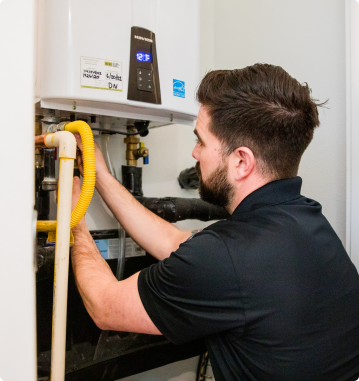
If you’re constructing a new home or dealing with water in your basement, a sump pump installation service in Austin, TX, could be just what you need. Sump pumps are important for preventing flooding and damage to your home’s foundation. Mend Services can have a sump pump installer sent to your home to help you choose the right sump pump for your home.
Austin’s expansive clay soil acts like a sponge during heavy rain, swelling and pressing thousands of gallons of water against your foundation. This hydrostatic pressure forces moisture into crawl spaces and basements, where it leads to wood rot, mold, and structural damage that costs thousands to repair. Call (512) 360-0704 now to schedule your sump pump installation consultation and protect your home before the next storm hits.
Does Your Austin Home Need a Sump Pump?
Professional sump pump installation austin tx protects your home from hydrostatic pressure caused by clay soil and heavy rainfall. The process involves digging a basin in your crawl space to collect rising groundwater. Then installing a pump that moves the water through a discharge pipe to a safe location away from your foundation. For homes near creeks, flood zones, or low-lying areas, this system is essential for preventing wood rot, mold growth, and slab damage. According to Austin Drainage Specialist, a standard installation typically ranges from $4,000 to $6,000. Professional installation ensures the pump capacity matches your home’s water volume and that discharge routing complies with local drainage codes.
Why Austin Clay Soil Creates Drainage Problems
Most homes in the Austin metro area sit on thick deposits of expansive clay. This soil type has a unique property: it absorbs water and expands significantly when wet, then contracts and cracks as it dries. During Central Texas thunderstorms, the ground can absorb several inches of rainfall in hours. The expanding clay creates tremendous hydrostatic pressure against foundation walls and slabs. Over time, this pressure forces water through hairline cracks, and once moisture enters a crawl space, it creates an environment where mold colonies and wood-rotting fungi thrive.
A sump pump installation intercepts groundwater before it reaches your foundation. By collecting water in a basin at the lowest point of your crawl space or basement, the pump provides a controlled release path. The discharge pipe carries the water far enough from your house that it cannot seep back toward the slab. This keeps the soil around your foundation stable and prevents the costly consequences of ongoing moisture exposure.
High-Risk Areas in Greater Austin
Certain neighborhoods face significantly higher flood risk than others. Properties near Onion Creek, the Colorado River corridor, and Lady Bird Lake frequently experience saturated soil conditions during storm season. East Austin’s lower elevation areas and neighborhoods built on former floodplains also contend with persistent drainage challenges. According to local weather data collected by Austin plumbing professionals, the city’s flash flood patterns concentrate runoff in specific watersheds that can overwhelm natural drainage in minutes.
Homeowners in these areas should consider a sump pump a standard home improvement rather than an optional upgrade. Even homes not directly in a flood zone can experience groundwater intrusion when the water table rises after consecutive heavy rain events. A simple evaluation of your crawl space after a storm , looking for standing water. Damp insulation, or musty odors , can indicate whether your home would benefit from a sump pump system.
Signs Your Foundation May Already Be at Risk
Before visible flooding occurs, several warning signs suggest that groundwater is affecting your home’s structure. Interior wall cracks that appear or widen during wet seasons, doors that begin sticking in their frames. And sloping or uneven floors all point to soil movement beneath your slab. A plumbing service professional can assess these signs and determine whether a sump pump installation would prevent further damage.
How Does a Sump Pump Work?
A sump pump system operates as your home’s last line of defense against rising groundwater. The core components include a basin dug into the lowest point of your crawl space or basement. A submersible pump, a float switch, and a discharge pipe that routes water away from the structure.
The Collection Basin and Perimeter Drainage
Most Austin homes with sump systems use a basin approximately 30 inches deep and 24 inches wide, positioned at the natural low point of the crawl space. Around the foundation, perforated drain pipes collect groundwater and channel it toward this basin. These perimeter drains are buried in gravel-filled trenches that allow water to flow freely while filtering out sediment.
Without a collection basin, groundwater builds up beneath your slab and creates hydrostatic lift. Over time, this pressure can cause slab cracks, foundation settlement, and even bowing walls. The sump basin gives this water a controlled collection point, preventing pressure from building against your home’s structural elements. Professional sump pump installation ensures the basin sits at the correct depth to capture water before it reaches your foundation level.
Automatic Activation Through Float Switches
Inside the basin, a float switch monitors the water level continuously. This mechanism works similarly to the float in a toilet tank: as water rises, the float lifts, and at a preset level, it triggers the pump motor. The pump then pushes water through the discharge pipe at a rate of 2,000 to 4,000 gallons per hour, depending on the pump’s horsepower rating.
Regular maintenance prevents float switch failures. Sediment buildup, debris caught in the mechanism, or simply age can cause the switch to stick in either the on or off position. A stuck-on switch burns out the motor prematurely, while a stuck-off switch leaves your home unprotected during a storm. Monthly testing , pouring a bucket of water into the basin to confirm the pump activates , is a simple habit that prevents unexpected failure.
Why Backup Power Matters in Austin
Sump pumps rely on household electrical power. The same storms that produce flooding also cause power outages across Central Texas. Without a backup power source, your sump pump becomes useless precisely when you need it most. A battery backup system provides 8 to 12 hours of continuous operation during an outage. While water-powered backups use municipal water pressure to create suction and can run indefinitely as long as your water supply remains active.
Sump Pump Installation Austin TX vs. Battery Backup: Which Do You Need?
A standard sump pump handles normal groundwater conditions, but Austin storms frequently combine heavy rain with power outages. Adding a battery backup ensures your pump operates even when the grid goes down. Many homeowners install both systems for complete protection, with the primary pump handling routine water volume and the backup activating only when the primary fails or loses power.
Understanding the difference between these systems helps you make an informed investment in your home’s protection. Professional sump pump installation austin tx providers can help you decide which configuration matches your property’s specific risk profile.
| Feature | Standard Pump | Battery Backup | Water-Powered Backup |
|---|---|---|---|
| Power Source. | Household electricity. | Deep-cycle battery. | Municipal water pressure. |
| Runtime During Outage. | None. | 8-12 hours. | Continuous (while water pressure holds). |
| Flow Rate. | 2,000-4,000 GPH. | 1,000-2,500 GPH. | 500-2,000 GPH. |
| Installation Complexity. | Moderate. | Moderate-plus. | Advanced (plumbing tie-in). |
| Annual Maintenance. | Monthly float test. | Battery replacement every 3-5 years. | Inlet screen cleaning. |
| Best For. | Primary water removal. | Short power outages. | Extended outages, no battery upkeep. |
For most Austin homeowners, a dual-pump configuration offers the most complete protection. The primary electric pump handles day-to-day water removal during normal storms, while the backup system activates automatically if the primary pump fails or the power goes out. This layered approach eliminates single points of failure in your home’s drainage defense.
Signs Your Sump Pump Needs Repair or Replacement
Like any mechanical system, sump pumps show warning signs before they fail catastrophically. Catching these signs early can mean the difference between a minor repair and a flooded crawl space.
Most sump pump failures stem from three root causes: a stuck float switch, a clogged discharge line, or an aging motor. Monthly testing and annual professional inspections catch these issues early. If your pump is more than 10 years old or makes unusual grinding noises, schedule a sump pump repair evaluation before the next heavy rain.
- Unusual noises. Grinding, rattling, or thumping sounds indicate loose components, debris in the impeller, or bearing wear. These noises almost always precede a complete motor failure.
- Continuous running. A pump that never shuts off has a stuck float switch or an undersized basin. This constant operation overheats the motor and dramatically shortens the pump’s lifespan.
- Failure to activate. If the basin fills with water but the pump does not start, check the power cord, GFCI outlet, and float switch. A dead pump during a storm is an emergency.
- Visible rust or corrosion. The motor housing and electrical connections should be clean and dry. Corrosion indicates moisture intrusion that will eventually short the electrical system.
- Age. Most sump pumps have a service life of approximately 10 years. If your unit is approaching or past this age, proactive replacement is significantly cheaper than emergency repair after a failure.
A professional inspection covers all these checkpoints. Our Austin plumbing services team evaluates your entire drainage system, from the basin condition to the discharge pipe routing, and recommends repairs or upgrades before they become emergencies.
How Much Does Sump Pump Installation Cost in Texas?
For most Austin homes, sump pump installation costs between $4,000 and $6,000 based on data from Austin Drainage Specialist. This includes the pump unit, basin installation, electrical hookup, and discharge pipe routing. Factors such as crawl space accessibility, soil conditions, and whether you add a backup system affect the final price.
Several variables determine the final cost of your installation. The most significant factors include the depth and accessibility of your crawl space. The length of the discharge pipe run needed to reach a safe drainage point, and whether you need electrical panel work to supply power to the pump location. Austin’s dense clay soil can make excavation more labor-intensive, which may add to the project cost.
A standard sump pump typically carries a 2-year manufacturer warranty and a service life of approximately 10 years with proper maintenance. Mend Services offers flexible financing options, including 48 months at 0% interest on approved credit, to make installation accessible without a large upfront payment. All installations include a one-year parts and labor warranty for added peace of mind.
Current promotions can also reduce your overall investment. Homeowners can save $75 on any plumbing or water heater repair, and those needing drain cleaning receive a free camera inspection with service. Check the current specials page for the latest offers before scheduling your consultation.
Frequently Asked Questions
How much does it cost to install a sump pump in Austin?
Most installations range from $4,000 to $6,000 based on local market data from Austin Drainage Specialist. This includes the pump, basin, discharge piping, and electrical work. Additional factors like crawl space accessibility and backup system integration can affect the final price.
How long does a sump pump last?
With regular maintenance, a quality sump pump lasts approximately 10 years. Most units carry a 2-year manufacturer warranty. Monthly float switch testing and annual professional inspections help maximize your pump’s service life.
Does a home with a sump pump indicate foundation problems?
No, a sump pump is a proactive drainage solution, not a sign of existing damage. In Austin’s clay soil environment, a sump pump demonstrates that a homeowner has taken steps to manage groundwater and protect their foundation. For buyers, an installed sump pump is generally a positive signal of proper home maintenance.
Will homeowners insurance cover a sump pump installation?
Standard homeowners policies typically do not cover sump pump installation costs. However, some insurers offer premium discounts for homes with active water management systems. It is worth checking with your insurance agent to see if a sump pump qualifies your home for a rate adjustment.
How do I know if my sump pump is failing?
Common failure signs include unusual grinding noises, continuous operation without shutting off. Failure to activate when water enters the basin, visible rust or corrosion on the housing, and age exceeding 10 years. According to Roto-Rooter Austin, a stuck float switch is the most common cause of sump pump failure and is easily diagnosed during a professional inspection.
Ready to Protect Your Home from Austin Flash Floods?
Central Texas storms deliver intense rainfall that can overwhelm unprotected homes in minutes. The clay soil beneath your home absorbs this water and presses it against your foundation until it finds a path inside. Waiting until after the first leak appears means addressing damage that could have been prevented. A professionally installed sump pump system gives you year-round protection against the region’s most common source of structural damage.
Our licensed plumbers evaluate your property, recommend the right system for your specific conditions, and complete the installation with a full one-year warranty on parts and labor. Schedule your consultation today by calling (512) 360-0704 or visiting our plumbing services page to learn more.