

Plumbing problems can interrupt a Dripping Springs morning quickly. A slow drain, an aging water heater, or a sudden loss of water pressure may signal a small fixture issue or a larger system concern.
For homeowners seeking plumbing services in Dripping Springs TX, useful options include water heater repair and installation. Drain cleaning, leak detection, pipe repair, and emergency response for burst pipes. Mend Services serves Dripping Springs with licensed, full-time W-2 professionals, transparent service expectations, and a one-year parts and labor warranty.
Schedule plumbing service with Mend Services
This guide explains how to match a plumbing problem with the right next step, what to ask before work begins, and when an issue needs prompt professional attention.
How do plumbing services in Dripping Springs TX handle urgent leaks?
The best provider depends on the problem, the property, and the level of work required. Before scheduling, look for a licensed team, clear service expectations, appropriate insurance, and a process that explains the diagnosis before recommending repair or replacement.
Confirm the team and credentials
Mend Services maintains Texas plumbing license M-46376. Its plumbing work is performed by licensed, full-time W-2 professionals rather than an informal rotation of unknown subcontractors. The company also states that its technicians are background-checked, bonded, and insured. Those details do not replace a clear diagnosis, but they give homeowners a useful standard when choosing someone to work inside the home.
Match the service scope to the problem
Plumbing work can include water heater service, drain cleaning, leak detection, pipe repair, fixture work, and system modernization. Reviewing Mend’s Austin plumbing services can help you identify the right starting point. A multi-trade provider may also simplify scheduling when a plumbing concern overlaps with electrical or HVAC equipment.
For a local coverage reference, see Mend’s Dripping Springs service area. A service-area page explains coverage, while an inspection determines what a particular home needs.
Which plumbing problems need professional attention?
Some symptoms are easy to see but difficult to diagnose. A wet cabinet, recurring clog, low pressure, or drain backup can originate inside a wall, below a floor, or farther along a shared line. When a symptom returns after a basic adjustment, professional evaluation is safer than repeatedly treating the surface problem.
Signs to schedule an inspection
- Persistent moisture: Damp cabinets, stained ceilings, musty odors, or unexplained wet areas can indicate a hidden leak.
- Whole-home pressure changes: A problem affecting several fixtures may involve a valve, supply line, or pipe rather than one faucet.
- Recurring clogs: Several slow fixtures, gurgling sounds, or repeated backups deserve more than another temporary clearing.
- Sewer-related symptoms: Wastewater backup and persistent foul odors require prompt evaluation. Avoid using affected fixtures until the source is understood.
- Active pipe damage: A burst pipe can release water quickly and should be treated as an emergency.
Know when a DIY fix has reached its limit
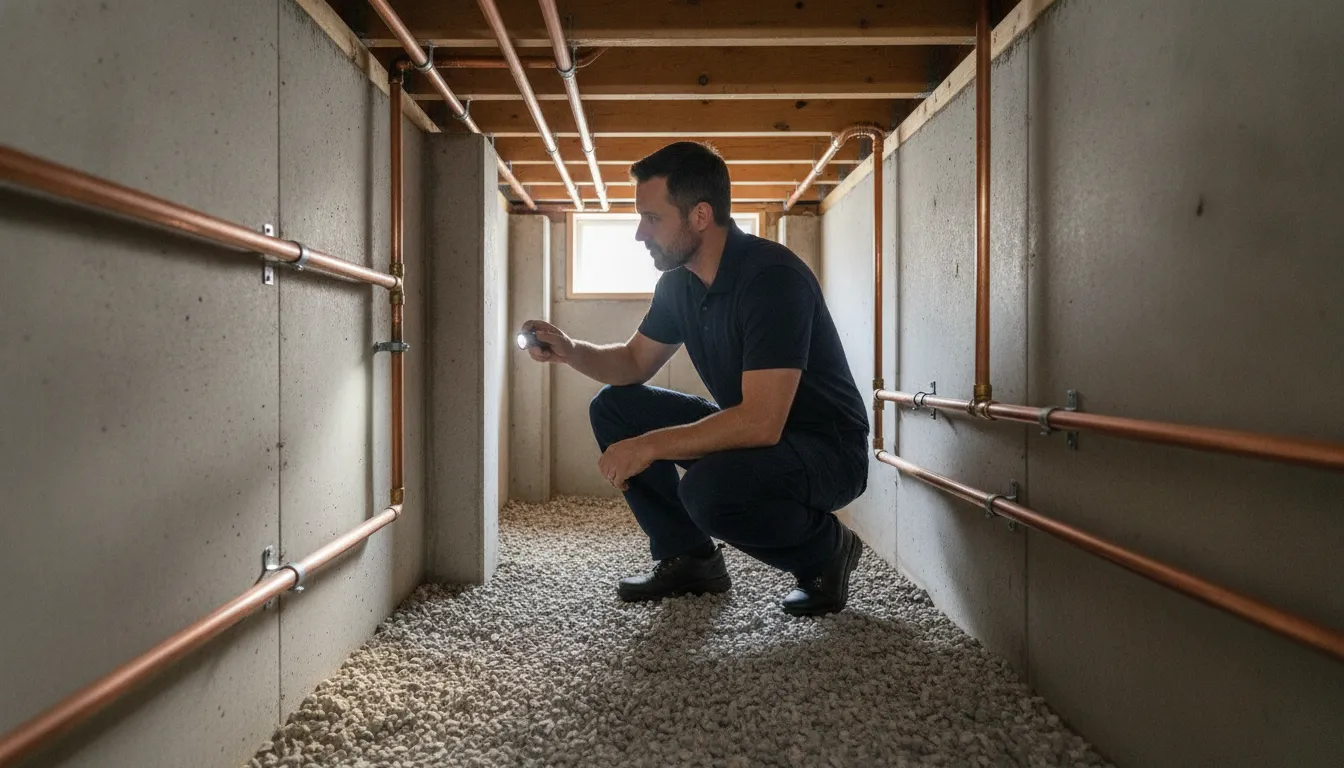
A careful homeowner may handle a simple, accessible fixture issue. Stop and call a licensed professional if you cannot locate the shutoff, water is entering finished areas. The pipe is concealed, or the work requires cutting into walls or changing supply lines. Mend’s plumbing repair team can assess the immediate issue, while its pipe repair and replacement service addresses damaged or aging water-supply lines.
What information should you share when scheduling?
Describe the symptom in plain language and note when it began. Tell the scheduler whether one fixture or several fixtures are affected, whether water is actively escaping, and whether you can safely reach a shutoff. If the problem changes when another appliance runs, mention that detail. Clear observations help the service team understand urgency and prepare for an evaluation.
It also helps to identify the location of the affected fixture, the approximate age of the equipment, and any earlier repair attempts. Do not remove covers or disconnect components just to gather more information. A photo taken from a dry, safe location can be useful, but the technician should make the technical assessment in person.
What happens during a professional plumbing visit?
A service visit should begin with questions and a review of the visible symptoms. The technician may inspect fixtures, accessible shutoff valves, water lines, drainage patterns, and the area around the affected equipment. The scope of that inspection depends on the issue and the property’s layout. The goal is to identify the likely cause before discussing a repair.
Before approving work, ask what was found, which options address the cause, and whether the recommendation is a repair, replacement, or maintenance step. You can also ask what disruption to expect and which parts of the work are covered. This conversation gives you a practical basis for deciding without guessing from a symptom alone.
What can plumbing services in Dripping Springs TX do for water heaters?
A water heater affects showers, laundry, and dishwashing. Inconsistent hot water, unusual sounds, corrosion, a recurring reset, or moisture near the unit can justify an inspection. A qualified professional can determine whether maintenance, repair, or replacement fits the equipment and the home.
Repair or replacement depends on the system
A tank water heater stores a set volume of heated water. A tankless model heats water as demand occurs. The better option depends on household demand, the existing plumbing, fuel or electrical setup, available space, installation requirements, and the condition of the current unit. No single format is right for every Dripping Springs property.
Stay safe around a leaking heater
Do not dismantle a leaking water heater or handle gas, electrical, or pressurized connections unless you are qualified. If it is safe, keep people away from standing water, protect nearby belongings, and follow the manufacturer’s instructions for shutting off the water or system controls. A rapidly worsening leak or loss of hot water warrants prompt plumbing help.
What do drain and pipe problems require?
One slow sink may have a local blockage. Several slow fixtures, a toilet that backs up when the washing machine drains, or a recurring odor may point to a shared line or sewer concern. The right response depends on an inspection rather than the symptom alone.
| Symptom. | Possible concern. | Next step. |
|---|---|---|
| One slow fixture. | Localized blockage. | Arrange cleaning if it returns. |
| Several slow fixtures. | Shared line concern. | Schedule an evaluation. |
| Leak behind a wall. | Damaged pipework. | Request a pipe inspection. |
| Active overflow. | Urgent blockage or drainage failure. | Stop using affected fixtures and seek help. |
When pipe repair or replacement makes sense
Persistent low pressure, wet spots, repeated repairs, or a leak behind a wall may justify a closer look at the pipe itself. Repair can address a limited damaged area. Replacement may be more practical when aging pipework has widespread problems. The recommendation should follow an evaluation of the home’s layout and existing conditions.
Some Dripping Springs homes use septic systems rather than municipal sewer connections. Septic care is a separate responsibility. The EPA’s septic system care guidance recommends regular care to help prevent failures. Use a qualified plumbing or septic professional when the issue involves the tank, drainfield, or wastewater leaving the property.
How to prepare for a plumbing inspection
Before the appointment, make a short list of every symptom you have noticed. Include the fixture involved, how often the problem occurs, and whether it changes when another faucet, toilet, washing machine, or appliance is used. A pattern can help distinguish a fixture-level concern from a shared drainage or supply-line issue.
Clear access to the affected area when possible. Move items away from a leaking cabinet, keep the water heater area accessible, and secure pets before the technician arrives. Do not remove wall materials or disconnect equipment to make the inspection easier. The safest preparation is to preserve the condition of the problem and share accurate observations.
Ask for the diagnosis and options in writing or in clear spoken language. A useful explanation should identify what was inspected, what the technician found, which repair addresses the cause, and whether maintenance or replacement is an alternative. You can also ask what areas of the home will be affected and what cleanup or follow-up to expect.
These questions are especially helpful when an older property has had several temporary repairs. A recurring symptom may not mean that the previous work was wrong, but it does mean the current condition deserves a fresh evaluation. The goal is a repair decision based on evidence from the home, not a guess based only on the newest visible symptom.
Keep the scope local and specific when discussing the visit. If the technician finds a separate concern, ask whether it needs immediate attention or can be monitored. This helps you prioritize the work without turning every observation into an emergency. It also creates a clearer record for future maintenance and makes it easier to compare the recommended next step with the original symptom.
What should you do during a plumbing emergency?
A calm first response can limit damage while help is arranged. For a burst pipe, fast-moving leak, or active overflow:
- Stop the water when safe. Use the fixture shutoff or main water shutoff if you can reach it without entering standing water. Do not force a valve that will not close.
- Protect people first. Keep children and pets away. If water is near outlets, appliances, or electrical equipment, avoid contact and request qualified help.
- Reduce further damage. Move belongings away from the water if safe. Do not open walls or attempt a complex pipe repair.
- Document the condition. From a dry location, note where the water started and whether fixture use changes the leak. Photos can help explain the situation.
- Call for emergency plumbing help. Mend Services provides 24/7 emergency plumbing response in Central Texas, including Dripping Springs.
Mend’s 24/7 emergency plumbing service can help with burst pipes, severe leaks, sewage backups, and overflowing toilets. Do not rely on chemical drain products or makeshift repairs when water is actively escaping.
Why do Dripping Springs homeowners choose Mend Services?
Mend Services is a family-owned, locally operated home services company serving Dripping Springs and the broader Central Texas area. Its plumbing team combines a local service relationship with licensed, full-time W-2 professionals, background checks, and bonded and insured operations.
Local context matters during a service call
Dripping Springs homes vary in age, layout, water source, and connection to local infrastructure. A plumbing visit should account for the actual property rather than assume every home has the same fixtures or pipe arrangement. Share what you know about prior repairs, water shutoffs, and any changes in pressure or drainage. That context can make the inspection more focused.
Local availability is also important when an active leak, burst pipe, or wastewater backup threatens the home. Mend Services lists Dripping Springs among the Central Texas communities it serves and offers 24/7 emergency response. Homeowners should still follow basic safety steps first, especially when water is near electrical equipment.
The company also provides plumbing, electrical, and HVAC services through one organization. That can simplify scheduling when a plumbing concern touches another home system. Mend states that its services include a one-year parts and labor warranty, along with transparent pricing and service expectations. Homeowners can ask what the technician found, which options address the cause, and what coverage applies before approving work.
Request a clear plumbing service plan for your Dripping Springs home
Frequently Asked Questions
What plumbing services are available in Dripping Springs?
Homeowners can request water heater repair and installation, drain cleaning, leak detection, pipe repair, plumbing system modernization, fixture work, and emergency help for problems such as burst pipes. The appropriate service depends on the symptoms and the home’s existing system.
When should I call a plumber instead of trying a DIY repair?
Call a professional for recurring clogs, unexplained low water pressure, visible leaks, damaged pipes, sewer concerns, or water entering finished areas. If water is spreading, shut off the supply when safe and protect nearby belongings while arranging help.
Can a handyman do plumbing work in Texas?
A handyman may help with minor household tasks, but regulated or safety-sensitive plumbing work should be evaluated by a licensed plumbing professional. Mend Services maintains Texas plumbing license M-46376.
Does Mend Services offer emergency plumbing response?
Yes. Mend Services states that it provides 24/7 emergency plumbing response in Central Texas, including Dripping Springs. For urgent concerns such as burst pipes, severe leaks, sewage backups, and overflowing toilets.


