Trusted, Comprehensive HVAC Repair Service
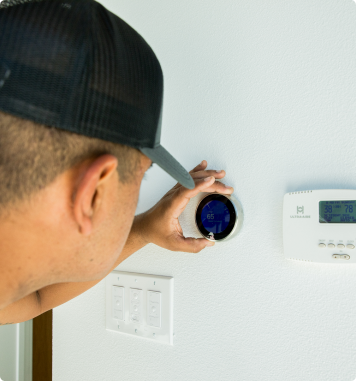
A spike in energy use often is the first sign of HVAC troubles. This is why many experts recommend monitoring usage either manually or through a smart thermostat.
Consider the typical gas furnace, which is 80% efficient. That means it loses 20% of the heat from the fuel it burns. Even a minor malfunction can increase that loss by as much as 15%. That’s a significant difference in how much fuel that system may be burning day in and day out.
Another problem to watch for is irregular cycling. How an HVAC unit cycles varies from home to home and system to system. That said, a typical cycle is 10-15 minutes, and it should happen twice or thrice per hour. Short cycling is a prevalent problem that causes significant wear and tear, even if the underlying issue isn’t serious. With all HVAC equipment, it can indicate overheating. With refrigeration-based systems, it could also indicate a leak.
Homeowners may also experience uneven heating or cooling. That can include cold or warm spots throughout a house. You may have entire rooms that feel cooler or warmer than the rest. It’s also not unusual to experience sharp temperature differences between floors. This may indicate a problem with the air handler.
The blower, for instance, may not be spinning at a high enough speed. It may also suggest a problem with your ducts. Worn seals, for instance, can let as much as 40% of your conditioned air escape. That can cause you to experience long cycling while also having inconsistent temperatures throughout your home.
Monitor for any unusual sounds or smells as well. Mustiness often indicates that the evaporator coil needs cleaning or that there’s mildew or mold in the ducts. Burning smells when the unit cycles on may mean the combustion equipment needs cleaning. Persistent burning smells can suggest an electrical issue.
Rumbling often means there’s a duct problem. Grinding is typically due to a blower problem, such as a ball bearing needing replacement. If you hear loud sounds from an outdoor unit, that may be the system hard starting. Left unattended, it can lead to serious compressor pump damage.
Watch for these other indications you may need an HVAC repair.
- Excess condensation
- Thermostat goes blank
- High or low humidity levels
- Reoccurring tripped circuit breakers
- Frozen evaporator or condenser coil