
With Texas’s hot, humid summers and cold winters, you probably want your HVAC system in the best condition possible year-round. One of the best ways to do that is by investing in HVAC maintenance services in Lakeway, TX. An HVAC tune-up can help our technicians at Mend Services find potential issues before they happen. That way, we can circumvent any major problems and keep your system working well.

HVAC Maintenance Service in Lakeway, TX
Schedule Now
Second Opinion On System Change Outs
FREE
Second Opinion On All System Replacements
Benefits of a Second Opinion Includes:
Benefits of a Second Opinion Includes:
- Confirms Diagnosis and Resolution
- Ensures Appropriate Repairs & Equipment
- Provides a Better Cost Understanding
- Empowers Informed Decision Making
*Cannot combine with any other offers or specials. One-Time use only. Must present coupon to redeem. Limited time only.
Offer expires
November 30, 2026
 Workmanship Guarantee
 Professional & Polite Staff
 Smart Technology Solutions
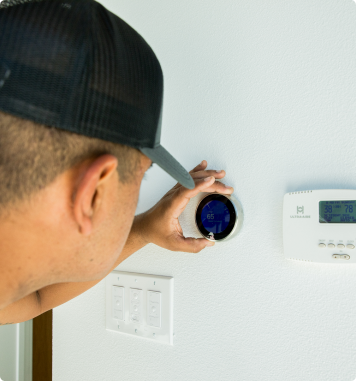
Professional HVAC Tune-Ups in Lakeway
When our technicians perform an HVAC tune-up, they do more than just take a quick glance around. They’ll do an in-depth inspection of your entire HVAC system.
This includes these parts and more:
- Compressor
- Condenser
- Duct exteriors
- Coils
- Refrigerant line
- Capacitors
- Vents
- Registers
- Air handlers
- Fans
The system’s intake vent contains a filter you should replace every one to three months as needed. Duct exteriors don’t really need more definition. Others have more specialized tasks, like capacitors. These components help your HVAC system turn on, and should they break, your system won’t start up. Your system may have more than one. You’ll hear humming or clicking on start-up if a capacitor begins to fail.
Every component plays its role. If our technicians catch a loose belt, for example, they can tighten or replace it. That way, it won’t come off entirely in the middle of the most extreme temperatures we get. Should your fan lose its belt or something damage its blades, it will have difficulty circulating conditioned air. In turn, it may strain, increasing its energy usage while decreasing its lifespan. In this case, you’ll likely hear buzzing.
Even if the worst doesn’t happen and your system is still working despite the issue, it’s not ideal. The increase in energy usage when your system strains means the system will use more gas or electricity than normal. That translates to higher utility bills when you’re using your system normally. Small issues also escalate if they’re ignored.
Maintenance is also quite important when it comes to warranties. Most HVAC manufacturers offer limited warranties on parts. As long as you’ve been using your system correctly, the manufacturer will replace certain parts within the warranty period. If you don’t read your system’s warranty info, though, you might not realize there’s one important stipulation: professional maintenance.
You should have us tune up your HVAC system at least once a year. Most HVAC professionals suggest doing so twice a year (spring and fall), but warranties usually require just once. That way, you can prove you’re taking good care of your system, and the malfunction is simply a defect. Without regular maintenance, you might also end up having to pay for an entirely new system you could have avoided purchasing.
Great HVAC Maintenance Services
At Mend Services, our number one goal is to build trust with you, our Lakeway community. Our A+ accreditation from the BBB is proof of our commitment to excellent service.

Frequently Asked Questions
A full HVAC maintenance includes inspecting and cleaning coils, checking refrigerant levels, lubricating moving parts, testing safety controls, inspecting ductwork, and verifying thermostat accuracy to ensure peak system performance.
Annual maintenance is the minimum recommendation, but homeowners in Lakeway’s hot, humid climate often benefit from twice-yearly tune-ups—once in spring for cooling and once in fall for heating.
Listen for unusual noises, uneven home temperatures, higher energy bills, reduced airflow, or frequent cycling; these symptoms often signal that maintenance or repairs are needed.
Clean components and properly charged refrigerant reduce system strain, enabling your HVAC to run smoothly and lowering utility costs by up to 15% on average.
Homeowners can replace or clean air filters monthly and keep condenser units free of debris, but all internal inspections and system checks should be handled by certified technicians.
Our seasonal tune-up covers full system inspection, coil cleaning, lubrication, safety control testing, refrigerant check, thermostat calibration, and airflow assessment to prepare for extreme temperatures.
By catching wear early, tightening belts, and ensuring balanced refrigerant levels, maintenance prevents breakdowns and extends equipment life by several years, saving on replacement costs.
Clean ducts and fresh filters reduce allergens, dust, and mold spores, improving indoor air quality and contributing to healthier breathing for you and your family.
Provide clear access to indoor and outdoor units, keep pets secured, and note any unusual noises or performance issues to help technicians focus on diagnosing and servicing your system.
Our 24/7 emergency support, NATE-certified technicians, transparent pricing, and satisfaction guarantee ensure reliable, professional service tailored to Lakeway’s unique climate needs.

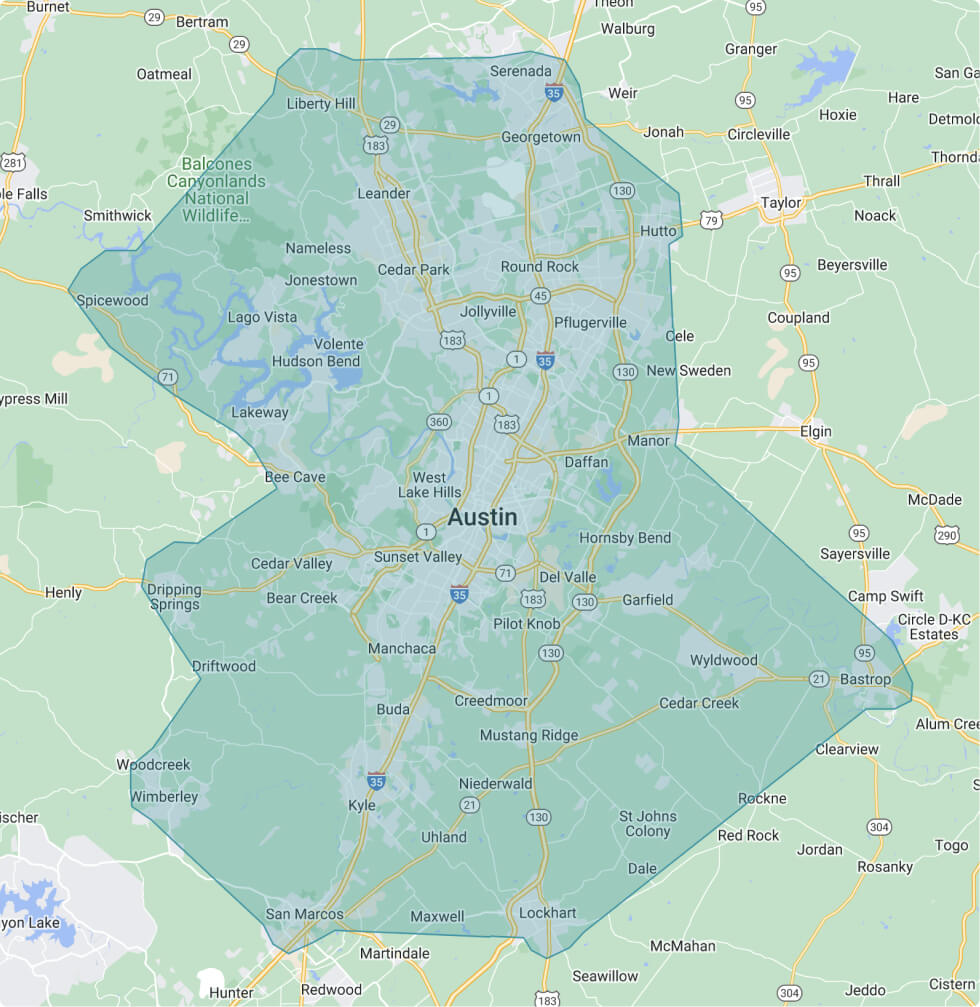
Austin Service Area
Greater Austin & the surrounding areas
- Austin
- Bastrop
- Bee Cave
- Buda
- Cedar Park
- Del Valle
- Driftwood
- Dripping Springs
- Georgetown
- Hutto
- Kyle
- Lakeway
- Leander
- Liberty Hill
- Lockhart
- Manchaca
- Manor
- New Braunfels
- Pflugerville
- Round Rock
- San Marcos
- Spicewood
- West Lake Hills
- Wimberley
Don’t see us in your area?
Give us a call at 512-360-0704

When you need expert HVAC maintenance services in Lakeway, call us at Mend Services!
We also offer HVAC repair and HVAC installation services!
Testimonials
See why our customers trust Mend

Secoya R. from the electrical team provided excellent service; tackling each item with the positivity of a craftsman who sees their labor as a reflection of the qualities they stand for. Secoya addressed issues with the main breaker, panel breakers, outlets, switches, and fixtures in a timely and thoughtful manner. Professionalism and leadership abilities. The future is bright for this young electrician!

First time customer . Very happy with service and will be a repeat customer

Mend is fantastic. We were in a tight situation with some plumbing issues and Mend responded quickly. The tech who came out, Danny, was phenomenal! He got things sorted out quickly, efficiently, and expertly, providing the right amount of detailed info along the way. Highly recommended.


The people at Mend were wonderful. I had two cabinet doors made and the young man did a fabulous job, very talented.
I will not hesitate to use them again!!
I will not hesitate to use them again!!

When PEC came to install a new meter at Homespun Kitchen and Bar, and something went wrong, Daniel Hopkins and Charles Boyd from Mend Services came to our rescue in the wee hours of the morning to diagnose the issue. They promised to be back first thing in the morning once they were able to source the part for repair so that PEC could finish the meter install and get the power back on! They truly saved the day so the restaurant could get back open and functioning quickly! EXCEPTIONAL AND PROFESSIONAL SERVICE! HIGHLY RECOMMEND!

Davis did a great job! Had to cut into our wall in the living room and was extremely clean in his process. He was very professional and friendly. We really appreciate our service today.


Contact Mend Today
Serving Austin, TX and Surrounding Areas
24/7 Emergency Service


©2026 Mend Services. All Rights Reserved.
This site is protected by reCAPTCHA and the Google Privacy Policy and Terms of Service apply.
Web Design and Internet Marketing by RYNO Strategic Solutions