

When an aging AC struggles through an Austin summer, homeowners often need to decide whether to install another central air conditioner or move to a heat pump. The best choice depends on the home’s existing heating equipment, ductwork, electrical capacity, comfort priorities, and long-term energy goals.
Schedule an HVAC system assessment with Mend Services to compare the right options for your Austin home.
For most Austin homes, a heat pump offers efficient cooling plus electric heating in one system, while central AC provides cooling and requires separate heating equipment. Heat pumps are especially compelling when replacing both an AC and an aging furnace. Central AC can make more financial sense when a reliable furnace is already in place.
Both systems can deliver dependable cooling in Central Texas when properly sized and installed. The sections below explain how they work, compare ownership costs, and identify the questions worth asking before choosing new equipment.
Heat Pump Vs Central Ac Austin: What is a heat pump and how does it work?
A heat pump is a machine that can both heat and cool your home. It looks much like a central air conditioner (AC) unit. Both tools use power and a cooling fluid to control your home’s air. While they share many parts, the heat pump has one main part that sets it apart. It can change the way the fluid flows to give you heat in the winter. This allows one properly designed system to provide year-round comfort.
How a cooling system moves heat
In the summer, both a heat pump and a central AC work the same way. They do not “make” cold air. Instead, they find heat inside your house and move it outside. This task uses a few key parts to get the job done:
- An indoor coil that takes in heat from your air.
- An outdoor coil that sends that heat into the yard.
- A pump that moves the cooling fluid through the system.
- A fan that blows air to keep the unit working.
By moving heat rather than making it, these tools keep your home cool while using less power. Many people in Austin rely on these units during our long, hot summers. Whether you have a heat pump or a central AC, keeping the coils clean is a big deal. You can find AC system maintenance tips to keep your unit running well in the Texas sun.
How the reversing valve changes modes
The key mechanical difference is the reversing valve. A central AC only moves heat in one way: out of your home. A heat pump uses this special valve to change the path of the cooling fluid. In the winter, it pulls heat from the air outside and brings it in. Even when it feels cold out, there is still enough heat in the air for the pump to use. The valve flips the system so the indoor coil now gives off heat.
Modern heat pumps are very good at this job. They offer a way to stay warm without using a gas furnace. This makes heat pump installation service a top choice for owners who want to use only power for their home. These units help you stay comfortable all year with just one system. It is a practical way to get both jobs done with fewer separate systems.
Why heat pumps fit the Austin climate
When looking at a heat pump vs central AC Austin homeowners must think about our weather. Our summers bring many days above 90 degrees with wet air. A high-efficiency heat pump can often pull more wetness from the air than a standard AC unit. This helps your home feel less sticky on those hot Texas days. Better moisture control means you can feel cool even at a higher temp.
At Mend Services, we help local families find the best fit for their home. Our licensed team members are full-time pros who know the local air. We also give 24/7 urgent care and a one-year warranty on all our work. Whether you pick a heat pump or a central AC, we are here to help you Trade Up to a better home. We make sure your system is ready for the intense Central Texas heat.
Heat pump vs. central AC: efficiency in Austin’s climate
In cooling mode, heat pumps and central air conditioners use the same basic refrigeration cycle, so rated efficiency and correct sizing matter more than equipment type. The heat pump’s efficiency advantage appears in winter because it transfers available heat instead of generating heat with electric resistance.
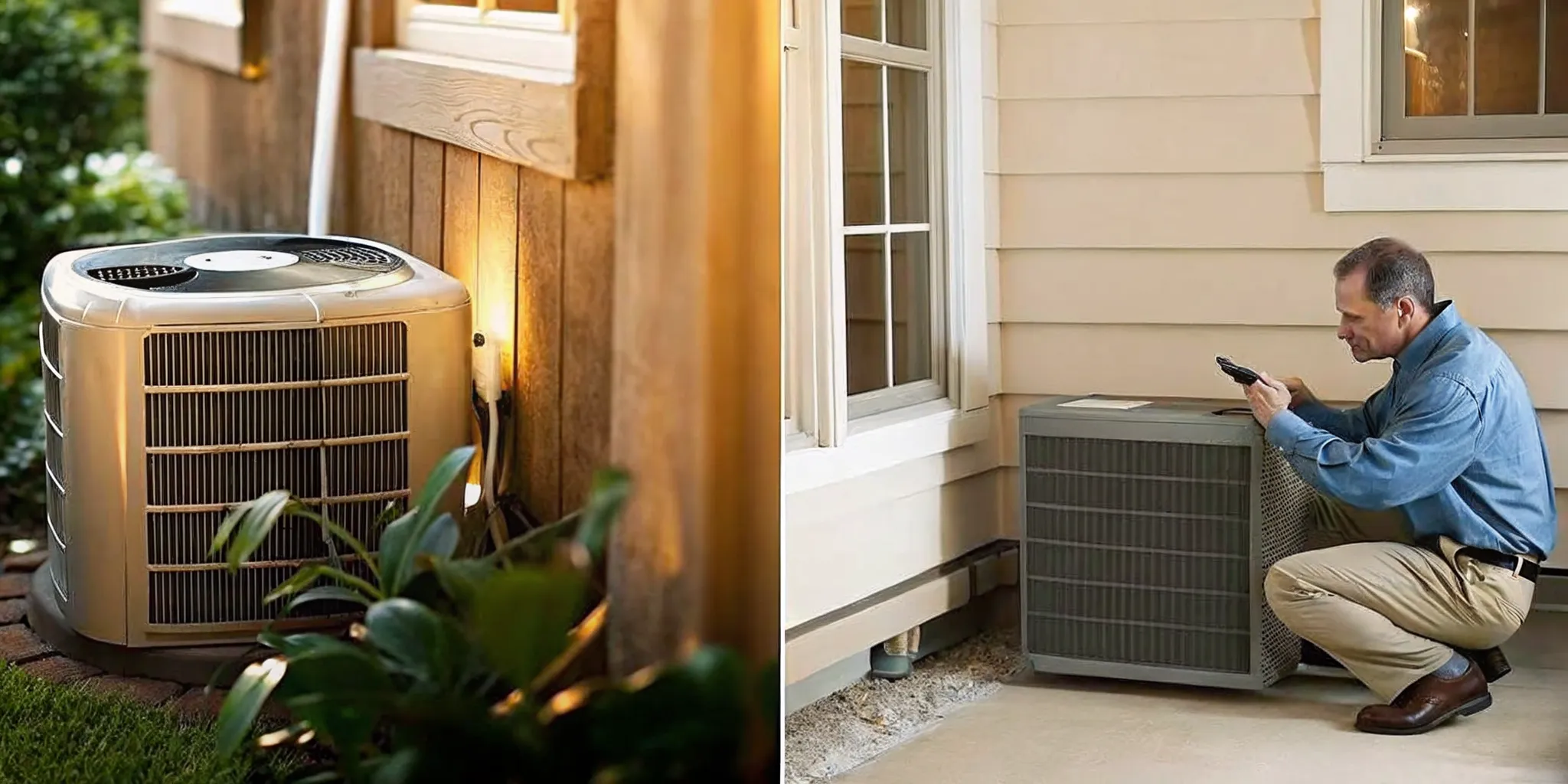
Cooling in the heat
During a long Austin summer, staying cool is the main goal. A standard central AC unit works by removing heat from inside your home. It then sends that heat outside. This process keeps your rooms at a set temperature. A modern heat pump works the same way during the summer. It pulls heat from your indoor air and moves it to the outdoors. High-end heat pumps often pull more water out of the air than standard units. This leads to more comfort and lower energy use on sticky days. The Department of Energy says this is a key plus for heat pumps. The extra water removal helps the home feel cooler without dropping the thermostat.
The heating difference
The biggest difference shows up when the weather turns cool. A central AC unit only cools. It needs its own furnace to heat the home. In contrast, a heat pump can do both jobs. It reverses its flow to pull heat from the outside air and bring it inside. Our winters in Austin are mild. This makes heat pumps save a lot of power here. They do not make heat by burning fuel. Instead, they move heat from one place to another. This method uses much less power than older electric heaters. Modern air-source units can cut the power you use for heating by up to 75%.
Year-round view
Choosing the right system depends on your goals for cost and energy use. A heat pump is often part of a plan for Austin HVAC installation and repair services. It offers one system for the whole year. New research shows that over 90% of US homes can save on bills by switching to the right heat pump. The table below shows how these systems stack up in our local climate.
| Feature | Central AC | Heat Pump |
|---|---|---|
| Cooling Method | Moves heat out | Moves heat out |
| Heating Method | Needs its own furnace | Reverses to pull heat in |
| Winter Efficiency | Standard | Very high in mild weather |
| Removing Humidity | Standard | Excellent on high-end models |
| System Count | Two (AC and furnace) | One (all-in-one) |
| Best Use Case | Homes with gas heat | Homes moving to electric power |
Each home has unique needs. Getting heat pump replacement planning from a pro is the best way to choose. A licensed team can look at your current ducts and power setup to find the best fit.
Heat pump vs. AC: upfront and long-term cost comparison
A heat pump often has a higher equipment price than central AC alone, but that comparison is incomplete because central AC still needs separate heating equipment. The most useful estimate compares the full installed scope, projected energy use, maintenance, available incentives, and the remaining life of equipment already in the home.
Setting up a new system involves more than just the price of the unit. For a heat pump vs central AC in Austin, your current home setup matters most. If you already have air ducts, a central AC or heat pump can use them. But if you need new ducts, your start-up cost will rise. A heat pump often costs more to buy than a standard AC unit. This is because it works as both a heater and a cooler. You may also need to upgrade your power panel to handle the load. Our team offers Austin heat pump system options that fit your home’s grid.
Upfront setup costs
The price you pay at the start depends on your home’s needs. A heat pump unit has more parts than a simple AC. It uses a reversing valve to switch from cooling to heating. This tech makes the unit cost about 20% to 50% more than a basic AC. Also, you must think about the size of your home. A larger home needs a bigger unit, which adds to the bill. Our licensed pros can help you find the right size to avoid waste.
Your current heat source also plays a role in the cost. If you have an old gas furnace, switching to a full electric heat pump might need more wires. This can raise the work time and the price. But having one system for both jobs can save space and time later. We check your ducts and power lines before we start to give you a clear price.
Long-term power savings
While a heat pump costs more at first, it often pays for itself through lower bills. Common heaters burn fuel or use coils to make heat. In contrast, a heat pump moves heat from one place to another. This process uses much less power to keep you warm or cool. In fact, heat pump systems can cut your power use for heating by up to 75% compared to electric coils.
Austin summers are hot and humid. A high-efficiency heat pump can pull more moisture out of the air than a standard AC. This makes your home feel cooler even at a higher temp. New data shows that most U.S. homes will save money on energy bills by switching to a heat pump. These savings add up over the ten to fifteen years your system lasts.
Care and system life
Owning one system for both jobs makes your home care simple. With a central AC, you also need a furnace for the winter. That means two machines to fix and keep clean. A heat pump does both tasks in one unit. This reduces the total number of parts that can wear out or break over time. Regular whole-home HVAC support help keep your system running well. Since heat pumps work all year, they need a check-up twice a year to stay in top shape.
- Get two check-ups each year to catch small issues.
- Keep the area around the outdoor unit clear of leaves.
- Change your air filters every one to three months.
Mend Services is a family-run company that has served Austin since 2011. We provide a one-year parts and labor warranty on all our work to protect your home. Our team is ready to help you trade up to a better system for your home and budget.
Which system qualifies for Texas energy rebates?
Qualifying equipment and incentive amounts can change by year, utility territory, efficiency rating, and installation details. Heat pumps frequently qualify for efficiency incentives, but homeowners should confirm current federal requirements and local utility programs before purchasing. Ask for the system’s AHRI certificate and keep the final invoice for documentation.
Choosing between a heat pump vs central AC Austin depends on long term costs and upfront help. Many programs offer money back to homeowners who pick high efficiency tools. These incentives come from federal tax credits, local power companies, and system makers. Because rules change often, you should check the latest terms before you buy.
How to find valid rebates
Finding the right deal starts with knowing where to look. Federal tax credits often cover professional heat pump installation due to their efficiency. Local utilities in Greater Austin also provide credits for systems that meet certain energy ratings. You can find these by visiting your power provider’s site or asking a licensed pro at Mend Services.
The U.S. Department of Energy notes that high efficiency units can lower bills and may qualify for the best savings. These perks help bridge the price gap between standard units and green tech. Always verify the SEER2 or HSPF2 ratings needed for each specific program to ensure you get your money back.
Steps to verify your savings
Do not guess if a unit fits a rebate plan. Follow these steps to confirm you will get the credit you expect. Most plans require you to use a licensed contractor who follows local building codes.
- Check the Energy Star site to see if the model you want has a high enough rating for federal tax credits.
- Call your local utility provider to ask about active cash back deals for Austin HVAC upgrades.
- Ask your tech for the AHRI certificate of the system to prove it meets the needed energy goals.
- Keep all receipts and proof of licensed Austin HVAC team for your tax filing.
- Submit your rebate forms as soon as the work is done to avoid missing any deadlines.
Working with trade experts
A pro can help you navigate the maze of local and federal rules. At Mend Services, our full time staff stays up to date on trade trends to help you save. We can provide free second opinions on system replacements to ensure you pick a unit that fits your budget and qualifies for active perks. We are here to help you trade up to a better, more efficient home system.
Should you switch to a heat pump in Austin, TX?
Consider switching to a heat pump when you need to replace both cooling and heating equipment, want an all-electric system, or value efficient heating during Austin’s mild winters. Keeping central AC may be practical when a relatively new furnace is already performing well. A load calculation should guide either decision.
Choosing the right cooling system for your home is a major investment. In Austin, the summer heat is intense, so you need a unit that works well. Many people now look at heat pumps as a way to “Trade Up” their home comfort. While a central AC unit is a classic pick, a heat pump can handle both cooling and heating in one unit. This two-in-one setup is gaining fans across Central Texas for its simple design and high performance. It is a smart move for those who want to keep their home life simple.
Why heat pumps fit the Austin climate
Heat pumps are very efficient because they transfer heat instead of making it. In the summer, they move heat out of your home to keep it cool. During our mild winters, they pull heat from the air outside and move it into your house. This method can use much less power than an electric furnace. In fact, these systems can lower power use for heating by up to 75 percent. For most homes in our area, this shift leads to real savings on monthly bills.
High-power systems also help with the high indoor humidity we get in Central Texas. These units dehumidify air better than standard central AC units. Less moisture in the air means you can feel cool at a higher thermostat setting. This can lead to lower bills and a more comfortable living space. Since Austin summers often stay humid, this extra moisture control is a major plus for most families. You will find that your home feels less “heavy” even on the hottest July days.
How to compare heat pumps and central AC
A heat pump is a strong option if you want to switch to a fully electric home. Since they do the work of two systems, you save space and reduce the need for gas lines. If you are already looking at heat pump installation assessment, look at your current setup. Homes without gas access often see the biggest savings with this switch. Modern units also work well in cold snaps, though they shine best in our usual climate. It is a great way to prep your home for the future.
But a normal AC unit might still be best if your home already has a new gas furnace. Central AC units are often cheaper to buy upfront than heat pumps. If you have low gas rates, a gas furnace and AC combo could stay the cheaper path. It really comes down to how much you use your system and your long-term energy goals. You should think about your monthly costs and how long you plan to stay in your current home. Weigh the price of the unit against the power you will save over ten years.
Professional checks and load calculations
Before you buy any system, you need a pro to check your home. At Mend Services, our HVAC repair and installation services include a full load calculation. This looks at your home size, window count, and insulation levels. Getting the right size unit is key to saving money and keeping your home dry. An oversized unit will turn on and off too often. A small unit will run all day without cooling the house enough. Both errors lead to higher bills and more wear on the system.
We take pride in our team of background-checked, full-time W-2 workers. They will give you a clear look at your home needs so you can make the best choice. With our one-year parts and labor warranty, you can trust that your new system will keep you cool for years to come. Our local family-run team is here to help you move from quick repairs to a proactive plan for your home systems. We want to be the one team you call for all your trade needs.
Frequently asked questions about heat pumps and central AC
Austin homeowners commonly ask whether a heat pump can match central AC cooling, handle winter conditions, use existing ducts, and deliver a fair return on the installed cost. The concise answers below provide a starting point, but final equipment selection should follow an in-home assessment and load calculation.
Does a heat pump cool as well as central AC?
Yes. In cooling mode, an air-source heat pump works much like a central air conditioner. Both move heat from inside your home to the outdoors. Proper sizing, duct condition, and installation quality have a major effect on comfort.
Can a heat pump handle an Austin winter?
A modern heat pump can be a strong fit for Austin’s generally mild winters. A technician should still assess your home’s heat loss and discuss backup heat for uncommon cold spells.
Do I need to replace my ductwork?
Not always. Many homes can use existing ducts, but leaks, poor sizing, and weak insulation can waste energy and create uneven rooms. A system assessment should include the ducts before equipment is selected.
How do I compare quotes fairly?
Compare more than the model number. Ask each contractor about load calculations, efficiency ratings, electrical work, duct repairs, controls, warranty coverage, and the exact scope of installation.
Get a clear HVAC recommendation for your Austin home
The right HVAC recommendation accounts for the entire home, not just the outdoor unit. Mend Services can evaluate equipment condition, duct performance, electrical capacity, insulation, comfort concerns, and ownership goals. Then explain whether a heat pump or central AC is the stronger long-term fit.
The right choice depends on your current equipment, ducts, electrical setup, comfort goals, and how long you plan to stay in the home. Mend Services can assess the whole system, explain the tradeoffs in plain language, and help you Trade Up to a safer, healthier, more comfortable home. Schedule a free estimate or second opinion with our licensed HVAC team.
Call Mend Services at 512-360-0704 to schedule your consultation.


