

When a heat pump stops keeping an Austin home comfortable, the safest next step is not always to reset the system repeatedly or investigate its internal parts. A sudden loss of heat, burning odor, repeated breaker trips, active water intrusion, or unusual operation can signal a problem that needs prompt attention.
For emergency heat pump repair Austin, homeowners should first protect people and property. Then perform only simple checks, such as confirming the thermostat setting, looking for an accessible filter problem, and checking that outdoor airflow is not blocked. If there is smoke, an electrical hazard, or active water damage, shut the system off and seek professional help rather than opening the equipment.
Schedule emergency heat pump help with Mend Services
Mend Services documents 24/7/365 emergency availability across its service lines and serves Austin and surrounding Central Texas communities. The first decision is understanding whether the symptoms create an immediate safety concern or a heating failure that can be assessed safely. Austin emergency HVAC warning signs can provide useful context as you consider what happens next.
What Counts as a Heat Pump Emergency in Austin?
A heat pump problem becomes an emergency when continued operation could create a safety hazard, worsen equipment damage, or leave your household without dependable comfort. A complete loss of heating is urgent, but it is not the only reason to seek prompt help. Smoke, a burning electrical odor, repeated breaker trips, active water intrusion, or sparking near the equipment should move safety ahead of troubleshooting.
Turn the system off if you can do so safely. Keep people away from the equipment, and contact the appropriate emergency service if there is an immediate fire, electrical, or medical danger. Do not open the cabinet, handle refrigerant, or attempt electrical repairs. If anyone may have been exposed to carbon monoxide from another fuel-burning appliance, leave the area and contact emergency services. Carbon monoxide cannot be seen or smelled, so suspected exposure should never be treated as a routine HVAC appointment.
Urgent symptoms versus a service issue that can wait
Not every uncomfortable heat pump symptom requires emergency dispatch. A system that runs longer than usual, makes an unfamiliar sound, or struggles to maintain the thermostat setting still deserves professional attention. The safest next step may be to turn it off and arrange a scheduled diagnostic visit if there is no immediate hazard. A dirty filter, restricted airflow, or a refrigeration-cycle problem can affect performance. Identifying the specific cause requires a qualified technician rather than guesswork.
| Situation | Safer next step |
|---|---|
| Smoke, burning odor, sparks, repeated breaker trips, or active water near electrical components | Turn the system off if safe, keep people away, and seek urgent help. |
| Persistent comfort loss, abnormal sounds, short cycling, or recurring ice | Stop repeated resets and arrange prompt professional diagnosis. |
| Minor comfort change with no odor, water, electrical symptom, or worsening | Monitor briefly while arranging service if the issue continues. |
- Seek urgent help: smoke, burning odor, sparks, repeated electrical trips, active leaking near electrical components, or a system that has stopped heating when household safety depends on it.
- Arrange prompt service: persistent loss of comfort, loud or abnormal operation, repeated short cycling, or ice that returns after the system is turned off.
- Monitor only briefly: a minor comfort change with no unusual odor, water, electrical symptom, or worsening condition, while arranging service if the issue continues.
Austin’s heating demand can change quickly. Homes in Austin and surrounding Central Texas communities may depend on one system for comfort and indoor temperature control. A technician can evaluate the situation without asking you to make an unsafe diagnosis. Document what you noticed, when it began, and whether the thermostat, breaker, airflow, or outdoor unit changed. That information helps the service team determine the right next step.
Warning Signs You Should Not Ignore
A heat pump that stops working is inconvenient, but some symptoms point to a safety concern or a failure that should not wait. Pay attention to changes in sound, smell, water, electrical behavior, and indoor comfort. These signs do not identify one exact failed part. They indicate that continued operation may worsen the problem or create an unsafe condition.
- No heat: If the system runs but the air never warms, or the indoor temperature continues to fall, arrange professional diagnosis rather than repeatedly changing the thermostat setting.
- Abnormal sounds: Grinding, scraping, hard buzzing, repeated clicking, or a sudden change in outdoor-unit noise can signal a mechanical or electrical problem. Turn the system off if the sound is severe, escalating, or accompanied by smoke or an odor.
- Burning or electrical odor: A sharp smell of burning plastic, insulation, or wiring is a reason to shut the system down. Do not keep cycling it to see whether the odor goes away.
- Repeated breaker trips: A breaker that trips again after being reset should not be reset repeatedly. Leave the system off and have the electrical or HVAC cause assessed by a qualified professional.
- Water intrusion: Pooling water, an active leak, or water near electrical components requires prompt attention. If it is safe to do so, shut the system down and keep people away from wet electrical areas.
- Persistent poor comfort: Rooms that remain cold, uneven temperatures, or a system that runs for long periods without maintaining comfort can reflect airflow, control, or equipment problems. It may not be an immediate emergency, but it should not become the household norm.
Heat pumps are not fuel-burning furnaces, but a home may contain other fuel-burning appliances. Carbon monoxide cannot be seen or smelled, and the Consumer Product Safety Commission identifies symptoms such as headache, fatigue, nausea, dizziness, and shortness of breath. If a carbon monoxide alarm sounds or people feel ill, leave immediately and call emergency services from outside. Do not rely on the absence of an odor to rule out carbon monoxide: CPSC carbon monoxide guidance explains why it is especially dangerous.
When contacting a professional, describe the symptom, when it began, and whether the system is running. Mention any odor, water, smoke, or tripped breaker so the technician can plan a safe response.
What Can You Safely Check Before Calling?
A few simple observations can help you describe a heat pump problem without putting yourself at risk. Keep every check external and low-risk. You do not need to open the system, remove panels, handle refrigerant, or attempt electrical repair to give a technician useful information. Work through the following sequence, and stop immediately if the situation becomes unsafe.
- Confirm the thermostat settings. Check that the thermostat is set to heat and that the desired temperature is above the current room temperature. Confirm that the system is not set to cooling or fan-only. If the thermostat display is blank, note that detail rather than removing its cover or working on its wiring. You can observe whether the system responds when the setting is adjusted. Do not repeatedly cycle it if you notice smoke, a burning odor, sparking, or another warning sign.
- Look at the accessible air filter. If the filter can be reached through its normal homeowner access point, observe whether it appears heavily loaded with dust. A dirty filter is identified as a common residential HVAC fault in guidance from the U.S. Department of Energy. Replace it only if you can do so without opening equipment or forcing a stuck cover. Do not reach into the air handler, inspect coils, or try to clean internal components. If the filter is difficult to access, leave it alone and tell the technician what you observed.
- Check visible power status without touching wiring. Look for an obvious display, indicator light, or nearby service switch that appears to be off. Do not remove covers, reset a breaker repeatedly, or handle exposed wires. If a breaker has tripped, especially more than once, treat that as information for the technician rather than an invitation to keep resetting it. Repeated trips can signal a condition that requires professional diagnosis.
- Observe the outdoor unit and its airflow. From a safe distance, check whether leaves, boxes, furniture, or other loose items are visibly blocking the space around the outdoor unit. Move only lightweight items that are clearly separate from the equipment and safe to handle. Never remove the unit’s panels, reach through its grille, clear ice by force, or pour water on it. Note whether the fan appears to run, but do not touch the unit or attempt to make it start.
- Stop at any sign of immediate danger. If you see smoke, smell burning, find active water near electrical equipment, see sparking, or suspect an electrical hazard, stop troubleshooting. Keep people and pets away from the area. If there is an immediate threat to life or property, leave the home and contact emergency services. Do not operate equipment in a hazardous area, open the cabinet, handle refrigerant, or attempt electrical repair. Share the warning sign with the HVAC professional so the visit can begin with the right safety precautions.
Before calling, write down what the thermostat showed, what the system was doing, and any visible changes around the indoor or outdoor unit. A short description is enough. These safe observations can help a technician focus the diagnosis while keeping the repair work where it belongs: with a qualified professional.
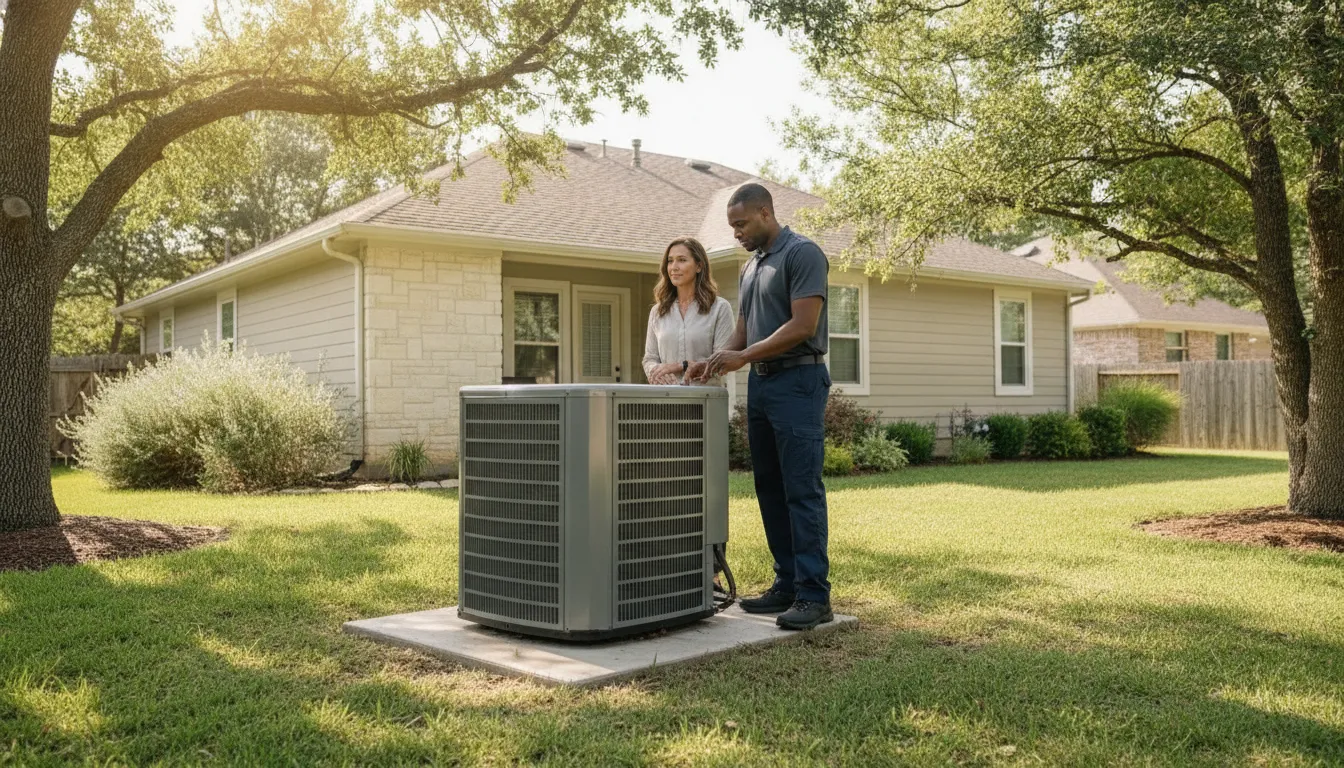
What Emergency Heat Pump Repair Austin Homeowners Should Know
Yes, an emergency heat pump can often be repaired, but the answer depends on what caused the failure and whether the equipment remains serviceable. A system that suddenly stops heating may have an airflow problem, a control issue, an electrical fault, or a refrigeration-cycle problem. The symptom alone does not identify the failed component. A qualified technician needs to diagnose the system before recommending repair or replacement.
When repair may be the right next step
Repair is generally worth evaluating when the problem can be isolated and the rest of the heat pump is operating appropriately. The diagnosis may point to restricted airflow, a dirty filter, a failed fan, a control problem, or another component that can be addressed without replacing the entire system. The U.S. Department of Energy’s residential fault-detection guidance lists issues such as dirty filters, restricted ducts, ineffective fans, and refrigerant-related faults among possible HVAC system problems: DOE fault-detection guidance.
Before agreeing to a repair, ask what failed, how the technician confirmed it, and whether the recommended work addresses the underlying cause. A useful diagnosis should connect the symptom to measurable system performance rather than rely only on a visual inspection. Ask the technician which measurements support the diagnosis and how the recommended repair addresses the underlying problem.
When replacement deserves consideration
Replacement may be worth discussing when diagnosis shows multiple significant problems, recurring failures, or equipment that cannot be returned to reliable operation through a targeted repair. It can also be a practical option when the required repair would not resolve broader performance concerns. The decision should be based on the condition of the specific system, its repair history, safety considerations, and the home’s heating and cooling needs. Avoid making that choice from a single symptom or from pressure during an emergency.
If the diagnosis points toward a new system, review Austin heat pump installation options and compare them with the repair recommendation. If the equipment is a candidate for service, Mend’s heat pump repair service provides a more relevant next step. The goal is not to choose repair automatically. It is to get a clear diagnosis, understand the available paths, and select the option that safely restores dependable comfort.
How a Technician Diagnoses a Heat Pump Problem
A heat pump diagnosis is more than identifying that the home is not getting warm. A qualified technician looks for the cause of the symptom and checks whether the system is operating safely and effectively. That process helps separate an airflow restriction from a refrigerant problem or another system-performance concern. The recommended repair is then based on evidence rather than guesswork.
A qualified HVAC technician may use refrigerant testing, airflow measurement, and system-performance diagnostics as appropriate to the equipment and symptoms. These checks can help a technician understand how the heat pump is moving heat, whether air is moving through the system as expected, and whether the refrigeration cycle is behaving normally. The U.S. Department of Energy’s Building America materials identify dirty filters, restricted ducts, ineffective fans, and incorrect refrigerant charge as possible HVAC faults that require different responses: see the DOE fault-detection reference.
What the diagnostic visit may evaluate
Refrigerant testing may include checking the pressures and temperatures associated with the refrigeration cycle. Those measurements can help identify whether the system has a possible charge or flow issue. Airflow measurement can help reveal whether the indoor side is moving enough air through the home. A dirty filter, restricted ductwork, or another airflow problem may affect comfort even when the equipment still turns on.
System-performance diagnostics put those observations together with the equipment’s actual operation. The technician may compare return-air and supply-air conditions, observe how the system responds to a call for heat, and assess whether the outdoor and indoor components are working together. Homeowners should not open panels, handle refrigerant, or attempt electrical repairs to assist with these checks. Those tasks require appropriate training and equipment.
Information to gather before the appointment
Useful details can make the visit more efficient. Note when the problem began, whether the heat pump runs continuously or cycles on and off, and whether any rooms are affected more than others. Record unusual sounds, odors, visible water, ice, or repeated loss of power. If the thermostat displays a message or error code, take a photo without removing covers or manipulating wiring.
Also share the last time the filter was changed, any recent service history, and whether the issue followed a power outage, severe weather, or a thermostat change. If there is smoke, a burning odor, active water intrusion, or another immediate electrical hazard, turn the system off if it is safe to do so and seek appropriate emergency help. For homeowners in Austin and nearby Greater Austin communities, Mend’s Austin heating and cooling services include documented heat pump diagnosis and repair support, subject to service-area availability.
When Should Austin Homeowners Call for Emergency Help?
Call for emergency help when a heat pump problem creates a safety concern, leaves the home without dependable heat, or continues after simple homeowner-safe checks. You do not need to identify the failed component before contacting a professional. A system that stops heating, repeatedly trips a breaker, produces a burning or electrical odor, leaks water near electrical components, or makes loud and unusual sounds deserves prompt attention. If you see smoke, active electrical danger, or a serious water leak, shut the system off if you can do so safely. Leave the area as needed, and contact the appropriate emergency service.
Do not open the cabinet, handle refrigerant, bypass a safety control, or attempt electrical repairs. If carbon monoxide may be involved, leave the home and contact emergency services. Carbon monoxide cannot be seen or smelled. The U.S. Consumer Product Safety Commission identifies headache, fatigue, shortness of breath, nausea, and dizziness as possible signs of exposure. A heat pump itself does not burn fuel, but many homes have other fuel-burning appliances. Suspected carbon monoxide exposure should always be treated as an immediate safety issue.
What to tell the dispatcher
Give the dispatcher enough information to help the technician understand the urgency. Describe whether the system is producing no heat, weak airflow, or air that never reaches the thermostat setting. Mention any burning odor, smoke, water, unusual noise, repeated breaker trips, visible ice, or recent change in performance. Tell them whether the equipment is currently running and whether you turned it off. If you know the thermostat setting, the indoor temperature, or when the issue began, share that information too.
Also provide the service address, a reliable callback number, and any access instructions. Be clear about whether anyone in the home has a medical or safety concern related to the loss of heat. These details help distinguish an urgent comfort problem from a situation that requires immediate evacuation or emergency response. They also help avoid unnecessary troubleshooting over the phone.
Choosing a local HVAC professional
A qualified local HVAC professional should explain the diagnosis, the recommended repair, and any safety considerations before work begins. Those details can help determine whether the fault is isolated and repairable or whether the equipment needs a different long-term solution.
Mend’s primary service territory includes Austin and surrounding Central Texas communities, but coverage depends on the specific address. Review Austin home heating repair options and confirm that your location is within the current service area when you call. Emergency availability does not guarantee a particular arrival time or repair outcome. The safest choice is to explain the symptoms accurately, follow the dispatcher’s safety instructions, and avoid operating equipment that appears hazardous.
How to Reduce the Risk of Another Heat Pump Breakdown
Preventing another disruption starts with treating maintenance as an ongoing part of home comfort, not something to consider only after the system stops working. A qualified HVAC professional can inspect the equipment, evaluate system performance, and identify developing problems that may not be obvious during normal operation. Professional maintenance is especially useful after a breakdown because the technician can document what was found, what was repaired, and what conditions should be watched over time.
Homeowners can also help protect day-to-day performance with simple, visible checks. Keep supply and return registers open and unobstructed by furniture, rugs, curtains, or stored items. Make sure the outdoor unit has clear airflow and is not surrounded by leaves, grass, boxes, or other debris. Replace or clean the accessible filter according to the filter and equipment instructions, and pay attention to changes in comfort after doing so. Do not open the cabinet, handle refrigerant, or attempt electrical repairs.
Keep a short record when the system behaves differently. Note unusual sounds, longer run times, inconsistent temperatures, frequent cycling, weak airflow, or changes in the point at which the system stops maintaining comfort. Recording when a symptom began and whether it affects the whole home or one area can give the technician useful context. If a breaker trips repeatedly, an electrical odor appears, water enters the equipment area, or there is smoke, turn the system off when it is safe to do so. Seek professional help rather than repeatedly restarting it.
Mend documents HVAC maintenance and Whole Home Wellness Plan options for homeowners who want a more organized approach to caring for home systems. You can review the company’s preventive maintenance options and confirm which plan or service best fits your equipment and needs. A maintenance plan cannot eliminate every failure, but consistent professional attention, clear airflow, and early reporting can make problems easier to identify before they become another emergency.
Schedule emergency heat pump help with Mend Services
Frequently Asked Questions
Can a heat pump be repaired?
Often, yes. A technician can determine whether the issue is an isolated, serviceable fault or a broader equipment problem. Diagnosis should come before deciding between repair and replacement. Do not open the system or attempt refrigerant or electrical work yourself.
What should I do if my heat pump smells like it is burning?
Turn the system off if you can do so safely, keep people away from smoke or exposed electrical hazards, and seek professional help. If there is an immediate fire risk, leave the home and contact emergency services. Do not restart the equipment to see whether the odor goes away.
Can I check my heat pump before calling for help?
Limit checks to safe, accessible items: confirm the thermostat mode and setpoint, inspect the filter, and make sure the outdoor unit is not blocked by visible debris. If there is active water intrusion, smoke, a burning odor, or repeated breaker activity, stop troubleshooting and arrange professional service.
What information should I give the technician?
Describe when the problem began, what the system is doing, any unusual sound or odor, thermostat readings, recent filter changes, and whether the breaker has tripped. A technician may use airflow measurement, refrigerant testing, and system-performance diagnostics to identify the cause.
Does Mend provide emergency heat pump service in Austin?
Mend serves Austin and surrounding Central Texas communities, subject to service-area coverage, and lists heat pump repair, maintenance, and installation services. Ask about current availability when you contact the team.
Schedule Emergency Heat Pump Help
A prompt diagnosis can help you understand whether the problem calls for a simple adjustment, a repair, or a safer next step. If your heat pump is not keeping your Austin home comfortable, or you have noticed a warning sign that should not wait, contact the team for the next step.
Schedule emergency heat pump help with Mend Services


