

If your air conditioner stops cooling during a Cedar Park hot spell, it can be hard to tell whether you need emergency AC repair or can wait for a regular appointment. Cedar Park homeowners may need emergency AC repair when the loss of cooling creates a safety concern, the system shows signs of an electrical problem, or water is threatening the home. Start with a few safe checks, then share what you observe when you call.
Emergency AC Repair Cedar Park Homeowners Need: What Counts as an Emergency?
A malfunctioning air conditioner is not automatically an emergency. The key question is whether waiting could put people, the home, or the equipment at risk. In Cedar Park, a system that has stopped cooling during a stretch of hot weather deserves prompt attention, especially if someone in the home is particularly sensitive to heat. If the house is becoming uncomfortably warm, make a plan to stay somewhere cooler while arranging help.
Some signs call for a more urgent response than a simple cooling problem:
- Smoke, a burning smell, or visible sparking: Stop using the system. If you can safely reach the thermostat, turn it off. If there is active smoke or fire, leave the area and contact emergency services.
- A breaker that trips repeatedly: Do not keep resetting it. A repeated trip is a reason to stop running the equipment and get it checked.
- Water leaking near electrical equipment: Avoid the water and do not touch electrical components. If you can safely turn the system off at the thermostat, do so.
- A sudden loss of cooling with a vulnerable person at home: Prioritize a cooler location and arrange prompt service rather than waiting in unsafe indoor conditions.
- Unusual loud sounds or a strong new odor: Turn the system off if it seems unsafe to run and describe the noise or smell when requesting help.
A room that feels warm, a small temperature difference, or a system that runs longer than usual may still need repair, but it does not always mean there is an immediate hazard. If you are unsure, explain the symptoms and ask how quickly the issue should be addressed. Mend provides HVAC repair in Austin and serves Cedar Park; the team can help determine the next step based on what you report.
What Should You Do Before Calling for Help?
Do a short, low-risk check before scheduling. The goal is to provide useful information, not to diagnose the equipment or take it apart. If you notice smoke, a burning smell, repeated breaker trips, or water near electrical components, skip the checks and leave the system off.
- Check the thermostat. Confirm it is set to cooling and the set temperature is below the room temperature. Check whether the display is blank or showing a message. If it uses batteries and you know how to change them safely, replace them.
- Look at the air filter. If the filter is easy to reach, check whether it is visibly clogged. Replace it with the correct size and direction if you have one. Do not remove equipment panels to get to a filter.
- Check the supply vents. Make sure furniture, rugs, or curtains have not blocked the vents. Look for a vent that has been closed accidentally.
- Look at the outdoor unit from a safe distance. Note whether it appears to be running and whether leaves or loose debris are piled around it. Do not put your hands inside the unit, remove its cover, or spray water into it.
- Notice what the system is doing. Is air moving? Is it warm, cool, or not coming from the vents? Are there drips, ice, new noises, or an unusual smell? These observations can help a technician narrow down the issue.
Do not open the electrical panel on the equipment, handle wiring, or try to add refrigerant. Do not repeatedly switch a tripped breaker back on. For a broader overview of HVAC service options, you can review the system care Mend provides, but an active safety concern should be handled by a qualified professional.
Emergency AC Repair Cedar Park: What Information Helps When You Call?
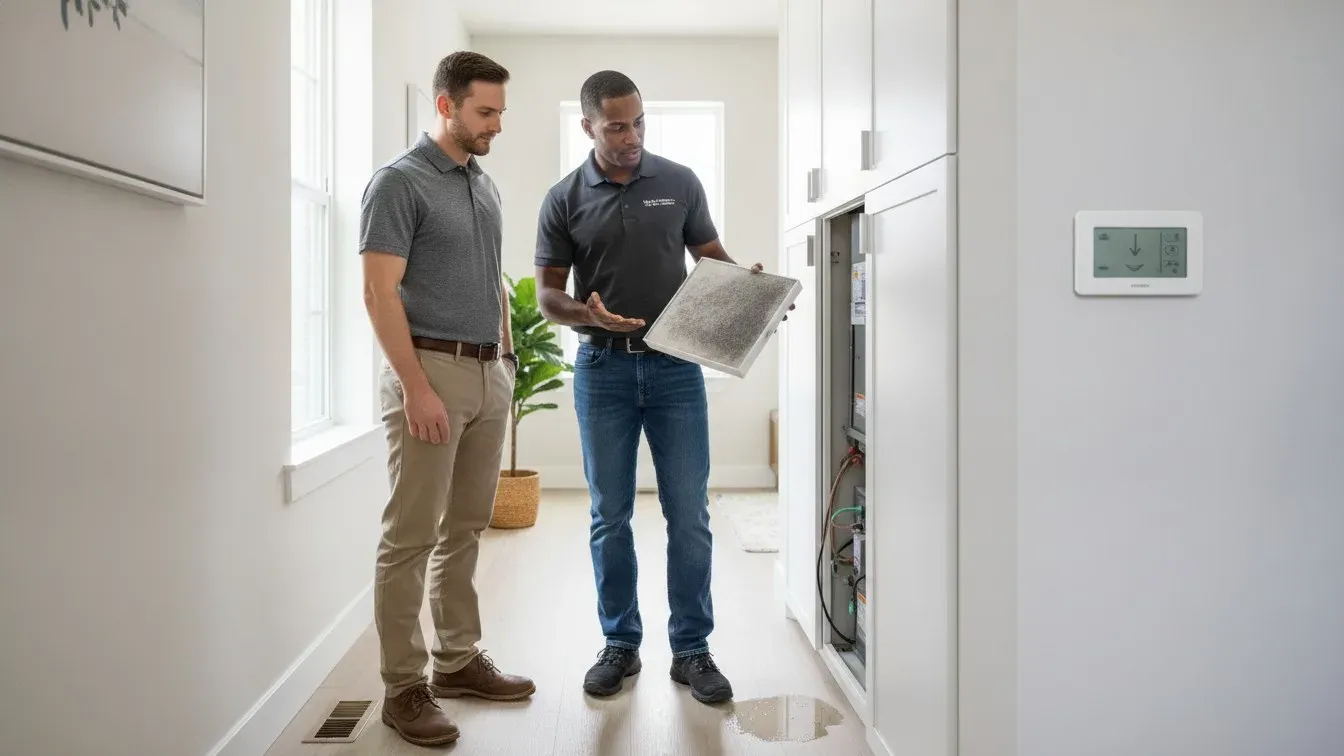
A clear description helps the service team understand what is happening and how urgent it may be. You do not need to know the name of a failed part. Share the symptoms in everyday language, and mention anything that changed just before the problem began.
- When the cooling stopped or changed, and whether it happened suddenly.
- Whether the system turns on, runs continuously, cycles on and off, or will not start.
- What the air feels like at the vents and whether airflow seems weaker than usual.
- Any water, ice, odor, noise, or thermostat message you have noticed.
- Whether a breaker tripped and whether you reset it. If it tripped more than once, say so and leave it off.
- Whether anyone in the home has a health or comfort concern that makes a prompt response especially important.
If the house is becoming too warm, mention that when you call and consider moving people and pets to a cooler place while you wait. Avoid leaving windows open if outdoor conditions make the home warmer or more humid. The immediate priority is people, not keeping the system running at all costs.
What Happens During an Emergency AC Repair Visit?
A repair visit generally starts with a conversation about the symptoms and a diagnostic check of the system. The technician may ask when the trouble began, what you have already checked, and whether you noticed a particular sound, odor, or leak. From there, the technician inspects the equipment to identify the cause and explain what options are appropriate.
Before work begins, Mend presents upfront pricing. That gives you a chance to review the proposed work and ask questions before deciding how to proceed. If the technician finds more than one reasonable option, ask what each option addresses and whether it resolves the immediate issue or also considers a longer-term concern. Work completed by Mend includes a one-year parts and labor warranty, according to the company’s stated service terms.
For an emergency, the service process is about addressing the immediate problem safely. A technician may determine that a part needs repair, that another system issue is affecting cooling, or that further work should be planned. The right recommendation depends on what the inspection finds; symptoms alone cannot confirm the cause. If you want to understand how repair differs from a larger project, Mend also explains its AC installation options.
For context, the City of Austin describes an emergency repair in its permitting information as an unexpected fix needed to prevent further damage or danger. That is a general permitting definition, not a way to diagnose an air conditioner; if you have a safety concern, stop using the equipment and ask a qualified technician what to do. Read the City of Austin’s emergency repair information.
Is It an Emergency, or Can the Appointment Wait?
Use the table as a practical starting point, not a substitute for an inspection. When there is a possible electrical hazard or the home is becoming unsafe for someone inside, err on the side of stopping the system and asking for prompt help.
| What you notice | What to do now | How urgent is it? |
|---|---|---|
| Smoke, sparking, or a burning smell | Turn the system off if safe; leave the area if there is active smoke or fire. | Urgent safety concern. Do not run the system. |
| Breaker trips repeatedly | Stop resetting it and leave the system off. | Request prompt professional assessment. |
| Water near electrical equipment | Keep away from the water and do not touch components. | Urgent if equipment or people could be at risk. |
| AC runs but air is warm or weak | Check thermostat, filter, and vents if safe; note the symptoms. | Arrange repair soon; urgency depends on indoor conditions. |
| System makes a new sound but still cools | Turn it off if the sound seems severe; describe it when scheduling. | Prompt assessment is sensible, especially if it worsens. |
| Cooling is slightly uneven, with no hazard signs | Check airflow and thermostat settings; monitor the change. | Often suitable for a regular appointment unless it gets worse. |
What Can Cause an Air Conditioner to Stop Cooling?
Many different issues can produce the same symptom: warm air from the vents. A thermostat setting, restricted airflow, an electrical fault, or a problem within the cooling equipment may all leave a home uncomfortable. A homeowner cannot reliably identify the failed part from the room temperature alone, which is why a diagnostic visit matters before deciding what repair is needed.
A dirty filter or blocked return can reduce airflow, while an outdoor unit surrounded by leaves or other debris may not have the clear space it needs. These are reasons to look from a safe distance and check only items that are easy to reach. If the filter is clean and vents are open but cooling remains poor, further troubleshooting should be left to a technician. Avoid attempting to remove ice or open the system to investigate.
Some warning signs can also point to a problem beyond routine airflow: repeated electrical interruptions, water where it should not be, a new harsh sound, or an unusual odor. The signs do not tell you exactly what is wrong, but they do help determine what to report and whether to leave the equipment off. If the problem appeared after a power interruption or another recent change, mention that too, without assuming it caused the failure.
How Can You Stay Comfortable While Waiting?
If indoor temperatures are rising, focus on people and pets rather than trying risky fixes. Move to a cooler room or another safe location if needed, and check on anyone who is more affected by heat. Keep water available and follow any personal medical guidance. If someone appears seriously ill or in immediate danger, contact emergency services instead of waiting for a repair visit.
Close blinds or curtains against direct sun, and limit activities that add heat indoors, such as using an oven, if practical. These steps will not repair the AC, but they may make the wait more manageable. Do not use outdoor cooking equipment, fuel-burning heaters, or other equipment indoors as a substitute for cooling. Never run a system that has smoke, a burning odor, a repeated breaker trip, or another safety warning just to lower the temperature.
When arranging a visit, share whether you can remain safely at home and whether the issue is worsening. Explain any access details that could help the technician reach the equipment, such as a locked gate or an attic access location. If you are unsure whether the situation can wait, describe the symptoms and ask the service team for guidance rather than making a diagnosis yourself.
How Can You Reduce the Chance of Another Breakdown?
No maintenance routine can prevent every failure, but noticing changes early and keeping up with basic care can help you avoid running a system with an obvious problem. Replace an accessible filter when it is dirty, keep supply vents clear, and pay attention to new noises or cooling changes. Do not wait for a complete loss of cooling if the system is repeatedly struggling or behaving differently.
Routine maintenance is also a chance to ask questions about how your particular system is operating. Mend offers AC maintenance in Austin, and homeowners can explore the company’s maintenance agreement to understand available planned-care options. Maintenance is not a substitute for emergency repair when there is an active hazard or a sudden loss of cooling.
When choosing a provider, look for clear communication about what the technician will inspect, what work is recommended, and what it will cost before you approve the work. Local service matters, too: Cedar Park is among the communities served through Mend’s Cedar Park home services. If you are outside the city, check the company’s Greater Austin service area before requesting an appointment.
Frequently Asked Questions
Does every AC failure in Cedar Park qualify as an emergency?
No. The urgency depends on the symptoms and conditions in the home. Smoke, sparking, a burning smell, repeated breaker trips, or water near electrical equipment are reasons to stop using the system and seek prompt guidance. A minor comfort issue without safety concerns may be appropriate for a regular repair appointment.
Should I keep running my AC if it is not cooling?
Not if you notice a burning smell, smoke, repeated breaker trips, or another sign that it may be unsafe. Turn it off if you can do so safely and do not keep resetting a tripped breaker. If there are no warning signs, you can check the thermostat and accessible filter, but stop if you are unsure or the symptoms worsen.
Can I fix an AC problem myself before the technician arrives?
Limit checks to the thermostat, an accessible air filter, and clear vents. Do not open equipment panels, touch wiring, handle refrigerant, or reach inside the outdoor unit. A description of what you see is more useful and and safer and than attempting a repair without the right training.
What should I do if my home is getting too hot while I wait?
Move anyone who is feeling unwell or especially affected by the heat to a cooler place, and contact emergency services if someone appears to be in immediate danger. Let the service team know that indoor conditions are worsening. Do not risk running equipment that has shown signs of an electrical problem.
What should I expect to know about price before work starts?
Mend’s stated process is to send a technician for a diagnostic or service visit and present upfront pricing before work begins. Ask what the proposed work covers and what choices are available so you can make an informed decision. Specific repair needs and pricing depend on what the technician finds.
If your Cedar Park home has lost cooling or you have spotted a warning sign, describe what is happening and ask for the right next step; when there may be a safety risk, leave the system off until you receive guidance.


